


Do Braces Hurt for Kids? What Pain Relief Can Help

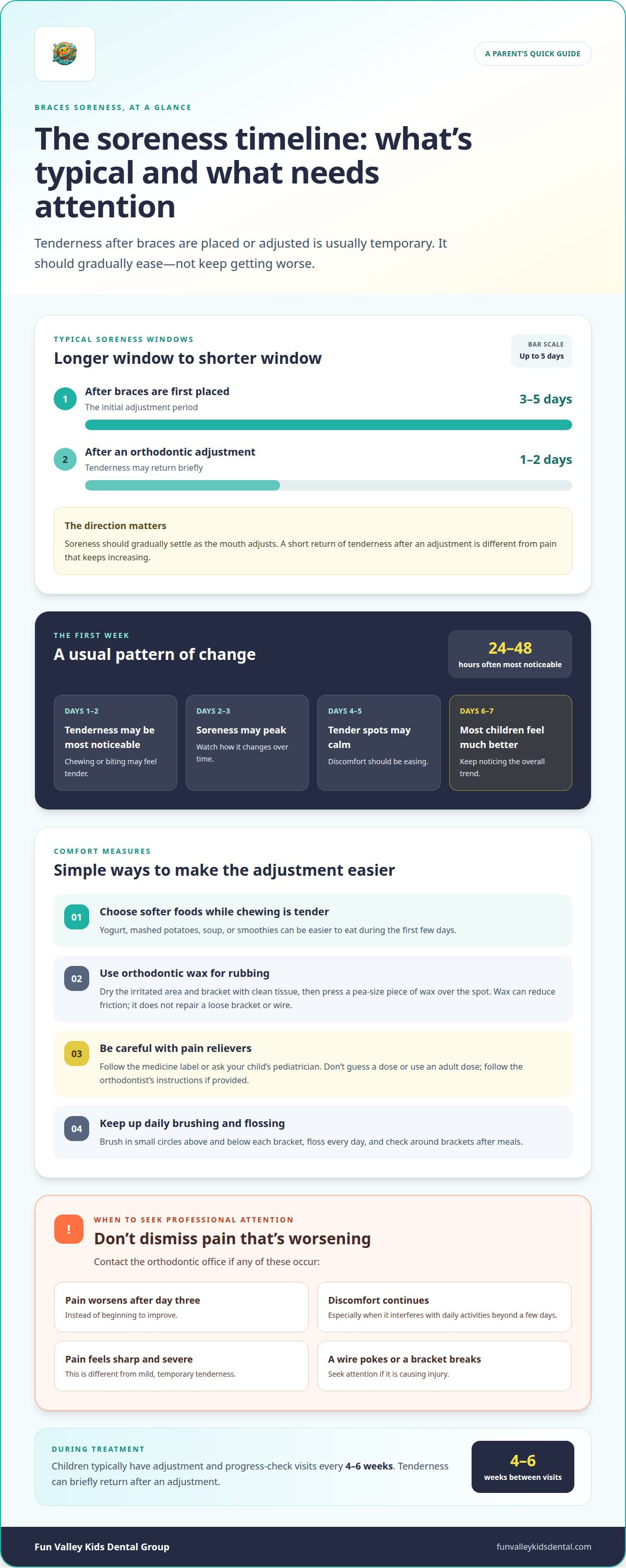
Braces can feel sore, but the discomfort is usually temporary. Parents wondering, “Do braces hurt for kids?” can expect mild soreness for about 3 to 5 days after braces are first placed, with tenderness often returning for 1 to 2 days after an adjustment. It should gradually ease, not keep getting worse.
The first few days with braces can feel like a big adventure for a child, especially when teeth are tender or brackets rub against the cheeks. Soft foods, orthodontic wax, and age-appropriate pain relief can help make the adjustment more comfortable.
Here, you’ll learn what braces soreness can feel like, how long it may last, and which simple comfort measures can help. We’ll also cover everyday braces care, including why following instructions for rubber bands matters and when ongoing pain or a poking wire needs attention.
Table of Contents
Are Braces Painful for Kids?
Braces can cause temporary soreness and pressure, especially after placement or an orthodontic adjustment. For many children, the discomfort is manageable with simple care, such as soft foods or wax over a rubbing bracket.
Discomfort After Orthodontic Adjustments
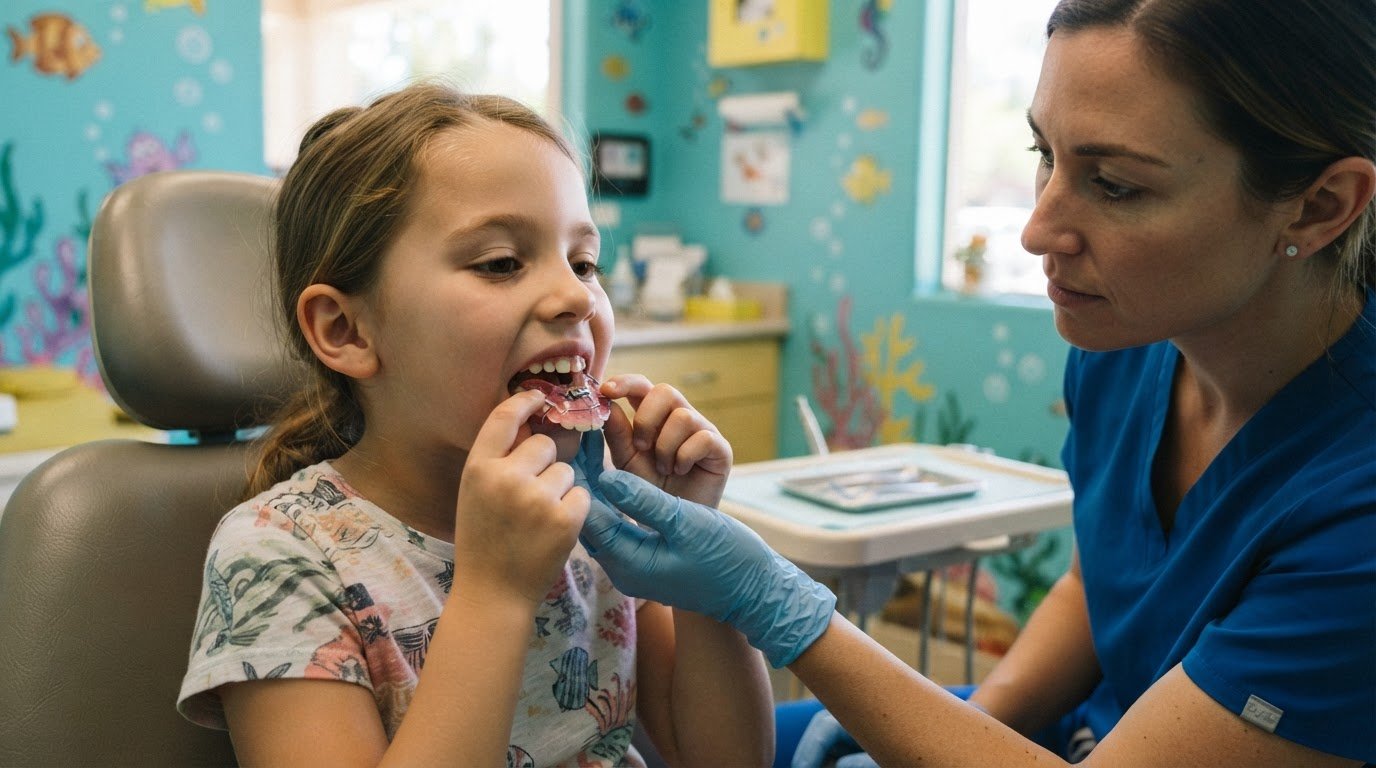
An orthodontic adjustment changes the pressure on teeth, so a child may feel mild soreness afterward. This tenderness commonly lasts a day or two and should ease rather than worsen. Plan a gentler meal after an appointment, such as soup instead of crunchy chips. If discomfort continues or a wire seems to be causing a problem, contact the orthodontic office.
Using Wax for Mouth Irritation
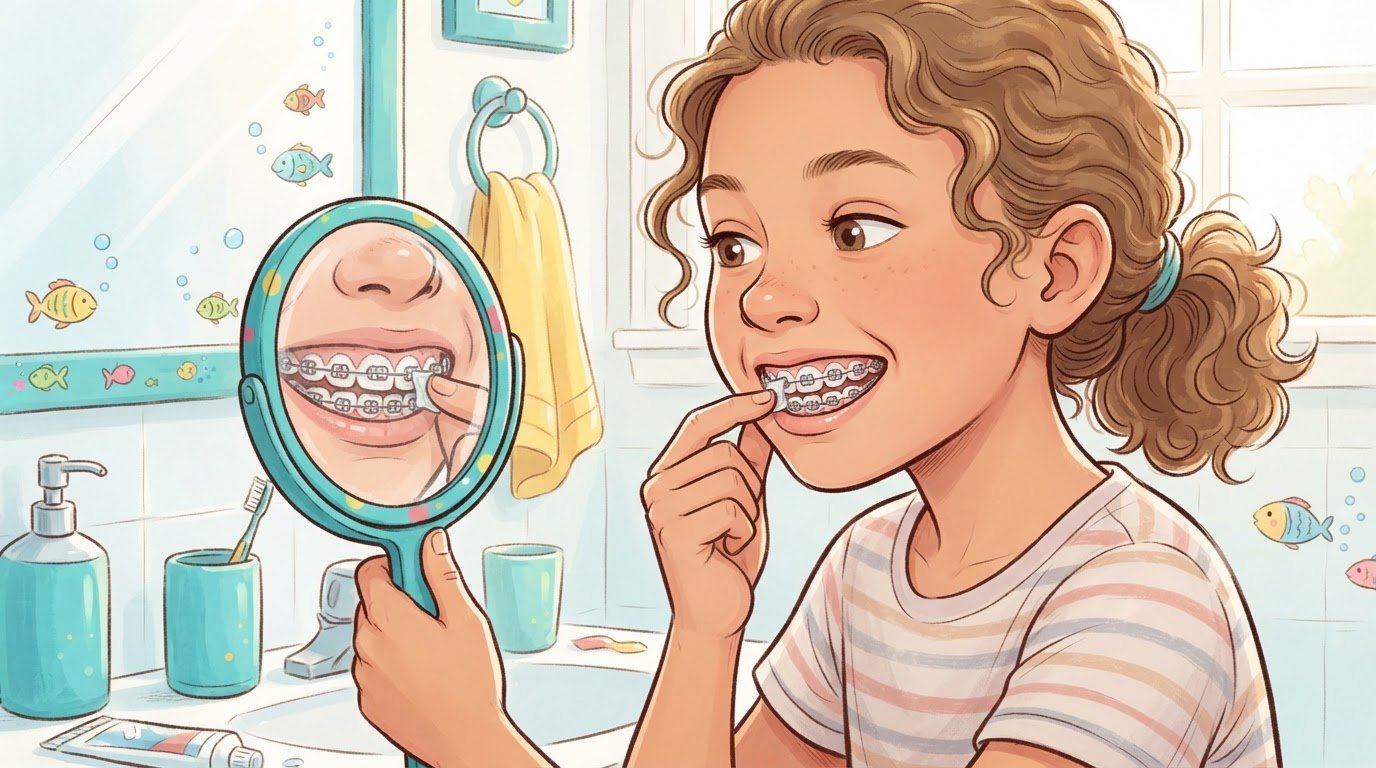
Orthodontic wax creates a smooth cover over a bracket or wire that rubs the cheeks, lips, or gums. Dry the irritated area and bracket with clean tissue, then press a pea-size piece of wax over the spot. This barrier can reduce friction while the mouth adjusts to braces. Wax helps with rubbing, but it won’t repair a loose bracket or wire.
Comparing Aligner and Braces Discomfort
Clear aligners and braces can both create pressure as teeth move, so aligners aren’t automatically less painful for every child. Braces have brackets and wires that may rub the cheeks, while aligners cover the teeth. The better option depends on the child’s bite, tooth position, dental development, and orthodontic evaluation. Ask the orthodontist how each option fits your child’s treatment needs.
Eating With New Braces
Kids can eat with new braces, but tender teeth may make chewing uncomfortable during the first few days. Choose soft foods such as yogurt, mashed potatoes, soup, or smoothies while biting feels sore. Avoid chewy foods like licorice, crunchy foods like popcorn and ice, and sticky foods such as caramel or gum. Cut apples and carrots into small pieces instead of biting into them.
Daily cleaning still matters during orthodontic treatment. Have your child brush in small circles above and below each bracket, then floss every day to clean between teeth. A consistent routine clears food from around brackets, where bits of a meal can linger. Check around the brackets after lunch, especially if your child ate soft foods that can stick.
Does dental insurance cover braces for kids in the United States? Coverage depends on the individual plan, and orthodontic benefits and patient responsibility vary. Review the plan’s orthodontic benefits with the insurance carrier and dental office before treatment begins. Ask how the plan handles braces for a child rather than assuming regular dental coverage includes orthodontic care.
How Long Does Braces Pain Last?
After getting braces, children’s soreness usually lasts a few days, then eases. Initial tenderness commonly continues for 3 to 5 days, while soreness after an adjustment often lasts 1 to 2 days.
Soreness When Braces Are First Placed
New braces begin applying gentle, steady pressure to guide teeth toward alignment. That pressure can cause temporary soreness in nearby tissues, so chewing may feel tender after placement. The first 24 to 48 hours are often the most noticeable. Knowing this timeline helps families plan easier meals and calmer activities while a child gets used to the new feeling.
First-Week Adjustment
During the first week, a child’s mouth adapts to brackets, wires, and pressure on the teeth. Soreness often peaks around days 2-3, then tender spots may start calming around days 4-5. Most children feel much better by days 6-7. Notice the direction of change: discomfort should gradually improve, rather than become more intense as the week continues.
How Long Soreness Lasts
Braces soreness usually fades within several days after placement, and adjustment-related tenderness commonly lasts 1 to 2 days. The timing varies with the child’s response to pressure and the orthodontic changes made. A brief return of tenderness after an adjustment is different from ongoing pain that keeps increasing. Tracking which day soreness starts and whether it improves can help you describe the pattern clearly.
Braces move teeth through gentle, consistent pressure from the archwire and brackets. Pressure can prompt a temporary inflammatory response in surrounding tissues, which explains why teeth may feel tender. It isn’t usually constant: soreness tends to be most noticeable during the first few days after placement or adjustment, then settles as the mouth adapts. A child may notice it most while chewing or biting.
Adjustments can bring back a short period of soreness because the orthodontist changes the force acting on the teeth. Children typically have adjustment and progress-check visits every 4-6 weeks during treatment. Each visit can feel different, depending on the changes made. If your child describes tenderness after one appointment, note when it began and whether it eases over the following days.
Pay attention to the trend, not just one uncomfortable moment. If pain worsens after day three instead of improving, interferes with daily activities beyond a few days, or feels sharp and severe, seek professional evaluation. A poking wire or broken bracket that causes injury also needs attention. These signs differ from the short-lived tenderness expected after an adjustment.
Over-the-counter pain relievers
Over-the-counter pain relievers may ease mild braces soreness, but children need age-appropriate guidance. Follow the medicine label or ask your child’s pediatrician before giving a dose. If the orthodontist provided instructions, follow them; if they aren’t clear, ask for guidance before choosing a medicine.
Choosing Pain Relief Carefully
Acetaminophen is one pain-relief option some orthodontists recommend for braces discomfort. Motrin and Advil are brand names for ibuprofen, another over-the-counter medicine. Don’t guess a child’s dose or use an adult dose. Read the product label, including its age directions, and ask the pediatrician if anything is unclear. A child’s age, weight, health history, and other medicines can affect what’s appropriate.
Medicine may take 30 to 45 minutes or longer to noticeably reduce discomfort. Plan around that window rather than giving an extra dose because relief hasn’t started immediately. Keep track of the medicine, time, and amount given, and follow the label’s spacing instructions. Never give more than directed. Pain medicine can help with mild tenderness, but it won’t fix a wire or bracket that’s causing injury.
Recognizing Unusual or Prolonged Pain
Routine soreness is usually mild and improves over a few days after braces are placed or adjusted. Watch for a different pattern: pain that becomes sharper, grows worse, or doesn’t improve. Notice whether it prevents eating, sleeping, or taking part in daily activities. These details can help you explain what your child is feeling when you call the orthodontic office.
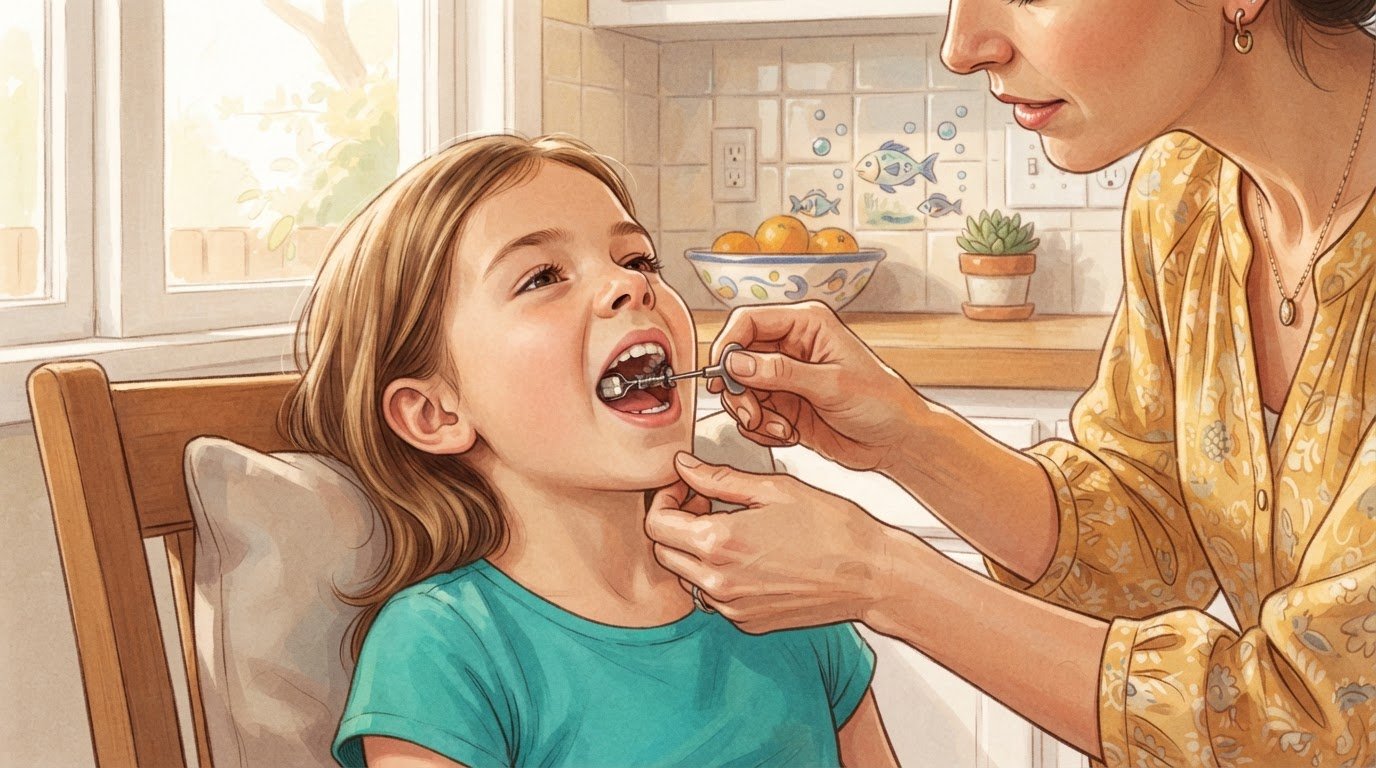
A broken bracket, loose band, or poking wire can cause a specific sore spot rather than general tooth tenderness. Look for the source without pulling or bending the appliance. If a wire is injuring the cheek or gum, or a bracket is broken, contact the orthodontic office for advice. Pain medicine may temporarily dull discomfort, but it can’t fix the appliance problem.
When to Seek an Evaluation
Seek professional evaluation for sharp or severe pain that doesn’t improve, or pain that interferes with daily activities beyond a few days. Swelling or signs of infection also need attention. If discomfort worsens after day three rather than easing, call the orthodontist. Don’t use extra doses to mask worsening symptoms or delay an assessment.
For mild tenderness, a label-directed pain reliever may be one part of a comfort plan. Tell the orthodontic team which medicine your child took and when, especially if symptoms continue. Families seeking orthodontic care for children can use an evaluation to discuss treatment concerns and a child’s response to braces.
Cold compresses and saltwater rinses
A cold compress or warm saltwater rinse can offer temporary comfort when braces leave a child’s mouth tender. These measures soothe soreness, but they don’t repair a broken bracket or replace dental care for an injury.
Using a Cold Compress
For tenderness around the jaw or cheeks, place a cold compress against the outside of the face for 10 to 15 minutes. Then remove it and let the skin rest before using it again. A compress is an external comfort measure; it won’t reach a loose wire or stop a bracket from rubbing inside the mouth. If a child points to one sharp spot, check for an appliance problem and contact the orthodontic office if needed.
Keep the goal simple: ease temporary soreness, not numb the mouth. A cold compress may help after an adjustment or when chewing leaves the jaw feeling tender. Pair it with a soft meal, such as soup, rather than testing sore teeth with crunchy food. If your child’s discomfort worsens or doesn’t follow the usual improving pattern, seek professional advice instead of relying only on compresses.
Making a Saltwater Rinse
Stir 1 teaspoon of salt into 1 cup of warm water. Have your child swish the mixture for 30 seconds, then spit it out rather than swallowing it. The rinse can be repeated a few times a day for temporary mouth irritation. Use warm, not hot, water, and supervise younger children who may have trouble swishing and spitting safely.
A saltwater rinse can soothe irritated tissues, but it doesn’t clean every space around brackets. Keep brushing above and below each bracket and flossing daily. For example, use the rinse after a meal if the cheeks or gums feel tender, then continue the regular cleaning routine. Orthodontic wax can help if a bracket or wire rubs a specific spot.
Topical Toothache Remedies
Topical toothache products aren’t the same as a saltwater rinse or an external cold compress. Before applying a gel or other over-the-counter pain product inside a child’s mouth, ask the child’s dentist or pediatrician which option is appropriate. Product ingredients and directions vary, and a remedy intended for adults may not suit a child.
Don’t use a topical product to cover up a broken bracket, a poking wire, swelling, or pain that keeps worsening. Those signs call for professional evaluation. A cold compress or rinse may offer short-term relief while you arrange care, but neither corrects a loose orthodontic part. If rubber bands or another appliance are involved, follow the orthodontist’s instructions and don’t alter them to treat soreness.
What helps relieve braces pain for kids?
A comfort plan can combine gentle food choices, careful appliance care, and dentist-approved pain relief. Match each step to the discomfort: tender teeth call for easier chewing, while a rubbing bracket needs a barrier. Keep the orthodontist’s instructions handy, especially after an adjustment, so your child knows what to expect and what to do.
Make Meals Easier
For the first few days after braces are placed, offer soft foods that need little chewing. Yogurt, mashed potatoes, soup, and smoothies can be easier on tender teeth than firm or crunchy meals. Serve small portions and let your child take time eating. As chewing becomes more comfortable, gradually return to the usual menu while keeping braces-friendly food rules in mind.
Skip foods that can stress brackets or wires. Avoid popcorn, chips, ice, caramel, chewing gum, licorice, and other sticky or crunchy choices. Don’t let your child bite directly into an apple, carrot, or corn on the cob; cut firm foods into smaller pieces. These habits can reduce pressure on sore teeth and help protect braces during meals.
Use Comfort Measures Thoughtfully
A warm compress after a tightening appointment can ease initial soreness. Place it against the outside of the jaw, keeping the temperature comfortable for your child. For a sore spot inside the mouth, orthodontic wax can cover a rubbing bracket or wire. Press a pea-size piece over the dry spot to create a smooth barrier for the cheek or lip.
If an orthodontist or dentist has approved a pain reliever, follow the product label or the child’s instructions exactly. Don’t guess a dose, combine medicines, or give another dose sooner than directed. A medicine can take 30 to 45 minutes or longer to noticeably help. Ask the pediatrician when the label or previous instructions leave you unsure.
Keep Braces Care on Track
Brush above and below brackets in small circles, and floss daily. Clean teeth after meals when possible, especially after soft foods that cling around brackets. Follow instructions for rubber bands and other orthodontic appliances. Don’t stop wearing rubber bands or change their placement to ease soreness; these instructions guide the planned tooth movement.
For a child with traditional braces, an orthodontic evaluation can help address pain, rubbing, or questions about appliance care. Schedule an orthodontic appointment to discuss your child’s braces and comfort concerns.
Fun Valley Kids Dental Group: Pediatric Dental Exams
Fun Valley Kids Dental Group helps families keep a child’s overall oral health on track during orthodontic treatment. A pediatric dental exam gives the dentist an opportunity to check teeth and gums, while a cleaning supports daily brushing and flossing at home. These visits are also a chance to discuss preventive care and your child’s dental routine.
For families in Sun Valley, California, preventive options include fluoride treatments and dental sealants when appropriate. Recommendations are based on each child’s needs. If braces cause sharp pain, a wire injury, or discomfort that keeps worsening, contact the orthodontic office promptly for guidance.
For a pediatric dental exam or preventive care, contact Fun Valley Kids Dental Group or visit funvalleykidsdental.com.
Help Your Child Feel Ready for the Next Braces Visit
If you’re still asking whether braces hurt for kids, make room for your child’s questions before the next orthodontic visit. Invite them to describe what feels uncomfortable, when it happens, and what helps them feel at ease. This conversation gives you a clearer picture to share with the orthodontic team and helps your child feel included in their care.
Braces are a step-by-step journey, and each visit is a chance to raise concerns, understand the plan, and build confidence. If a new sore spot or appliance issue is making the journey harder, contact the office rather than letting worry grow. Fun Valley Kids Dental Group offers pediatric care in a welcoming setting for children and families in Sun Valley, California. Contact Fun Valley Kids Dental Group to discuss your child’s dental care and next steps.
Frequently Asked Questions
Do Braces Hurt for Kids?
Braces can make a child’s teeth temporarily sore, so parents asking, “Do braces hurt for kids?” should expect pressure rather than constant pain. The sensation varies from child to child. Help your child describe where it hurts and whether it feels sore, sharp, or like rubbing. Those details can help the orthodontist distinguish routine tenderness from an appliance problem.
How Long Do Children Wear Braces?
Children commonly wear braces for about 1 to 3 years, depending on the orthodontic issue, appliance type, and how closely instructions are followed. The timeline can be affected by tooth position and bite changes that need correction. For example, wearing prescribed rubber bands as directed is part of following the treatment plan. The orthodontist monitors progress during visits and adjusts the plan as the child’s teeth move.
How do standard metal braces work?
Traditional metal braces use brackets attached to individual teeth and an archwire that fits through them. The wire applies steady pressure to guide teeth into alignment. Small elastic or wire ties may hold it in place. At adjustment visits, the orthodontist may change the archwire or ties to continue guiding movement. The treatment plan depends on the child’s bite and tooth positions.
What Do Braces Feel Like?
Braces can feel unfamiliar at first. A child may notice the brackets against the lips or cheeks, or feel pressure when the teeth touch during a meal. The sensation can change after an adjustment as the wire applies a different force. Some children also notice a temporary change in speech while their mouths adapt. Encourage your child to mention any spot that feels unusually sharp or rubs repeatedly.
What Type of Pain Is Considered Normal?
Mild tooth tenderness or pressure after placement or an adjustment is a common braces sensation. It may be more noticeable when biting into food than at rest. A sore spot on the cheek can also occur as the mouth adapts to brackets. Pain that becomes sharp, worsens instead of improving, or comes with swelling differs from ordinary tenderness and deserves professional attention.
What should parents do if a wire or bracket comes loose?
Contact your child’s orthodontic office if a bracket or wire becomes loose, especially if it pokes or injures the cheek or gum. Tell them which part moved and whether your child has pain or irritation. Don’t pull, cut, or try to reattach the appliance at home. If the wire is rubbing, orthodontic wax may cover the spot temporarily while you arrange professional guidance.
When Should Parents Be Concerned?
Seek professional evaluation if braces pain is severe, keeps worsening, or interferes with daily activities beyond a few days. Swelling or signs of infection also need prompt attention. Report a broken bracket that causes injury or a wire poking the mouth to the orthodontic office. Explain when symptoms began, where they occur, and whether eating or sleeping has become difficult.
Do braces hurt when first put on for kids?
Braces usually don’t hurt while they’re being placed, though soreness can develop afterward as pressure begins moving the teeth. A child may notice tightness or tenderness while chewing during the first few days. Plan an easy-to-chew first meal, and encourage your child to describe any rubbing or sharp spot. This helps you respond to discomfort without guessing its cause.
Comments