


Baby Tooth Fell Out Early? A Sun Valley Parent’s Guide

You notice a gap in your child’s smile, and the tooth seems to have arrived under the pillow before its time. It’s natural to wonder what happened and whether the permanent tooth is safe. If you’re searching for “what to do if baby tooth falls out early Sun Valley,” start by noting what happened and how your child feels. A calm next step is to seek dental guidance if you’re unsure.
Children’s teeth don’t all follow the same schedule. The circumstances of the loss and your child’s stage of development help put the timing in perspective. An early gap doesn’t automatically mean there’s a serious problem, but a pediatric dentist can assess whether follow-up is needed.
In this guide, we’ll explain what early tooth loss may mean, what parents can do next, and when to seek dental advice. Fun Valley Kids Dental Group provides pediatric dental care at its Sun Valley, California office. Families from nearby communities, including Pacoima, Arleta, Panorama City, North Hollywood, Burbank, and Sylmar, can also visit the Sun Valley practice. Dr. Mel and the team help children feel comfortable while assessing their developing smiles.
Table of Contents
What counts as an early-lost baby tooth in Sun Valley?
A baby tooth coming out sooner than expected can be unsettling, but one early loss doesn’t automatically signal a serious problem. There isn’t one age that defines “too early” for every child. The tooth’s position, your child’s stage of dental development, and how the tooth came out all help explain whether follow-up may be needed.
Children often begin losing baby teeth around age six, commonly starting with the lower front teeth, but timing and tooth order vary. A front tooth that gradually loosened may tell a different story from a back tooth that suddenly came out after a fall. Age offers a clue, not a complete answer.
How normal baby-tooth shedding differs from early loss
Before a baby tooth falls out naturally, it usually becomes loose little by little. Your child may notice it moving during meals or while gently wiggling it with the tongue. The tooth’s position and the other teeth that have come in help put the timing in context. A tooth that seems early for one child may fit another child’s development, so a calendar alone can’t settle the question.
Why the circumstances of the loss matter
A tooth that gradually loosened and came out on its own is different from one that disappeared suddenly. A fall or impact, pain, or visible decay gives a pediatric dentist useful details to consider. Note what happened and which tooth is missing, if you can tell. These observations don’t diagnose the cause, but they can help guide an exam and determine whether follow-up is appropriate.
Early loss is defined by the context, not age alone: the child’s development, the tooth involved, and the circumstances all matter.
If you’re unsure what to do after an early loss, start by noting a few details before seeking dental guidance:
Did the tooth loosen gradually, or did it come out suddenly?
Was there a fall, bump, pain, or visible change to the tooth beforehand?
Which tooth came out, and have nearby teeth also started to loosen?
A pediatric dental exam can help connect those clues with your child’s symptoms and dental development. The goal isn’t to assume there’s a problem, but to understand what happened and whether the area needs monitoring or further care. An evaluation is especially useful when the timing or cause isn’t clear.
Why might a baby tooth fall out before it is ready?
A baby tooth can come out early for different reasons, and timing alone can’t reveal which one applies. An injury may loosen or displace a tooth, while extensive decay can weaken it or damage it enough that it’s lost sooner than expected. These are possibilities to discuss with a pediatric dentist, not conclusions parents can reliably draw by looking at the gap.
The cause of an early-lost baby tooth can’t be determined from timing alone. The tooth’s condition before it came out, how it was lost, your child’s symptoms, and their dental development all help shape the assessment. A tooth with visible decay may raise different questions than one lost during a fall, even if both leave a similar-looking space.
Could an injury or cavity cause early tooth loss?
Yes. A fall, a bump during play, or another impact can make a baby tooth loose or shift it from its usual position. Decay may also weaken a tooth over time, particularly if the damage is extensive. If your child has pain, swelling, or a recent mouth injury, seek prompt pediatric dental guidance rather than waiting to see whether the area settles. Keep track of when symptoms began and what happened.
What may a pediatric dentist assess?
A dentist can examine the empty space, nearby teeth, and gums for visible signs of injury or decay, while asking about your child’s symptoms and the tooth’s history. Digital dental imaging may be considered when clinically appropriate to assess details that can’t be seen during the visual exam. The findings, together with your child’s age and dental development, guide a discussion about the likely cause and possible next steps.
Dental decay is one reason families prioritize regular checkups and everyday cavity-prevention habits. The American Academy of Pediatrics Oral Health Guidelines offer general information on children’s oral health, including dental visits and cavity prevention. That guidance can support healthy routines, while an individual exam helps address a specific tooth loss.
For families in Sun Valley, an evaluation can replace guesswork with a closer look at the tooth and surrounding area. Fun Valley Kids Dental Group provides pediatric dental exams and emergency pediatric dental care at its Sun Valley, California office. If an injury or symptoms are part of the story, pediatric dental care in Sun Valley can help your family understand what to consider next.
Can early baby-tooth loss affect spacing or permanent teeth?
An early gap doesn’t automatically mean your child will develop crowding or have trouble with a permanent tooth. Some children may need no space-related treatment, while others may benefit from monitoring or an appliance. The likely next step depends on the tooth that was lost, when it happened, your child’s dental development, and the position of nearby teeth.
What factors influence whether spacing needs attention?
A pediatric dentist looks beyond the empty spot. A front tooth and a back tooth have different roles in the developing mouth, and the child’s stage of growth helps put the loss in perspective. The dentist may also consider how much room is available, whether neighboring teeth have shifted, and what the other teeth show about development. An examination helps assess the current situation; it isn’t possible to predict how the permanent tooth will come in without one.
When might a space maintainer be considered?
A space maintainer is an appliance that may help preserve room for a developing permanent tooth after a baby tooth is lost early. It isn’t automatically recommended for every child or every missing tooth. A dentist considers the location of the gap, the child’s dental development, the surrounding teeth, and other clinical findings before discussing whether one may be appropriate and when it might be used.
If a space maintainer is recommended, the dentist can explain how it fits into your child’s individual care plan. If it isn’t needed, the plan may instead involve monitoring the area as development continues. Either way, the decision should reflect your child’s mouth, not a general rule that every early loss needs treatment.
An individualized evaluation can clarify whether an early gap needs attention. Fun Valley Kids Dental Group provides pediatric dental exams and space maintainers when clinically appropriate at its Sun Valley, California office. Treatment recommendations are based on the child’s examination, age, dental development, health history, and clinical needs.
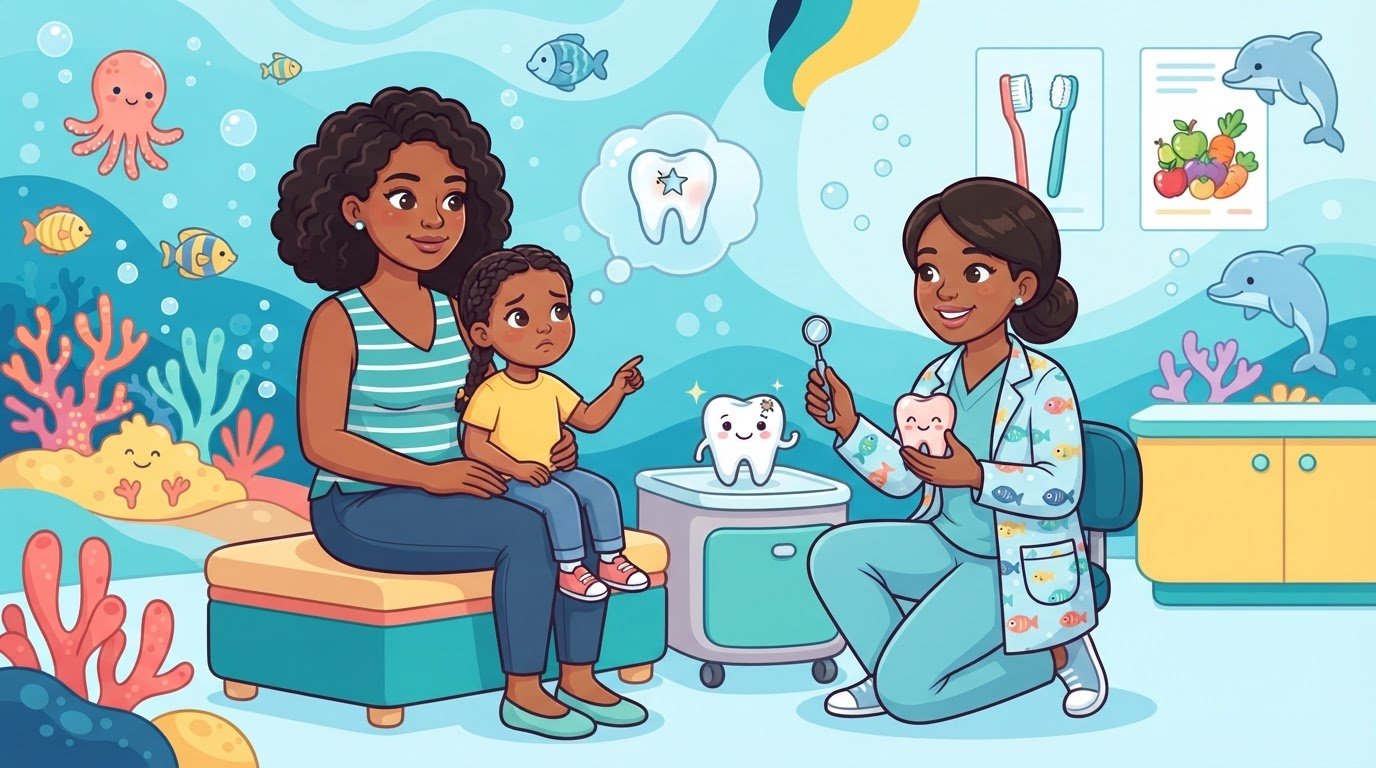
What should parents do after a baby tooth falls out early?
A calm first response helps you gather useful details and comfort your child. If the tooth came out without an obvious injury and your child seems comfortable, gently clean around the area as part of their usual oral hygiene routine. Don’t poke into the gap or try to put the baby tooth back into its socket.
Simple steps for a calm first response
Note what happened, then help your child feel settled. Reassurance can make the moment feel less alarming. Your observations can also help a pediatric dentist understand whether the tooth loosened over time or came out unexpectedly.
Write down when it happened. Note whether the tooth had been gradually wiggling or came out suddenly.
Comfort your child. Offer age-appropriate reassurance and follow their usual gentle brushing routine, being careful around the area.
Keep the tooth out of the socket. Don’t try to reinsert a baby tooth. If you’re unsure whether it was a baby tooth, mention that when you seek advice.
Arrange guidance if the loss seems unusual. A pediatric dentist can help assess the situation and discuss whether an exam is needed.
Routine gentle cleaning is enough for the moment. Avoid forcefully probing the empty space, even if you’re trying to see what it looks like. If your child is uncomfortable, tell the dentist what you’re noticing rather than trying to examine the area yourself.
When should a parent seek prompt dental advice?
Contact a pediatric dentist promptly if the tooth came out after a fall or impact, your child has continuing discomfort or swelling, or you notice another concerning change. It’s also sensible to seek guidance when the cause is unclear, especially if the tooth didn’t seem loose beforehand. Share what happened, when it happened, and any symptoms you’ve observed.
If an injury knocked the tooth out, follow emergency guidance for that situation rather than relying only on routine steps for a tooth that loosened naturally. Fun Valley Kids Dental Group’s emergency guide for a knocked-out tooth covers that injury scenario. If your child has pain, swelling, or a recent impact, don’t delay seeking professional dental advice.
Start with these simple steps, then get advice tailored to your child and the circumstances. Fun Valley Kids Dental Group provides pediatric dental exams and emergency pediatric dental care at its Sun Valley, California office. Contact our Sun Valley pediatric dental team to discuss an early tooth loss or arrange an evaluation.
How Fun Valley Kids Dental evaluates early tooth loss in Sun Valley
When a baby tooth is lost earlier than expected, a pediatric dental evaluation can help clarify what may be happening. Fun Valley Kids Dental Group has one office, in Sun Valley, California. The team considers the child’s experience and dental development rather than assuming every early gap needs treatment.
What families can expect from an individualized evaluation
The visit starts with the story of the tooth. The dental team may ask when it came out, whether it had been loose, and whether a fall, discomfort, or another change came first. Sharing what you observed helps give the exam useful context, even if you aren’t sure which tooth was lost.
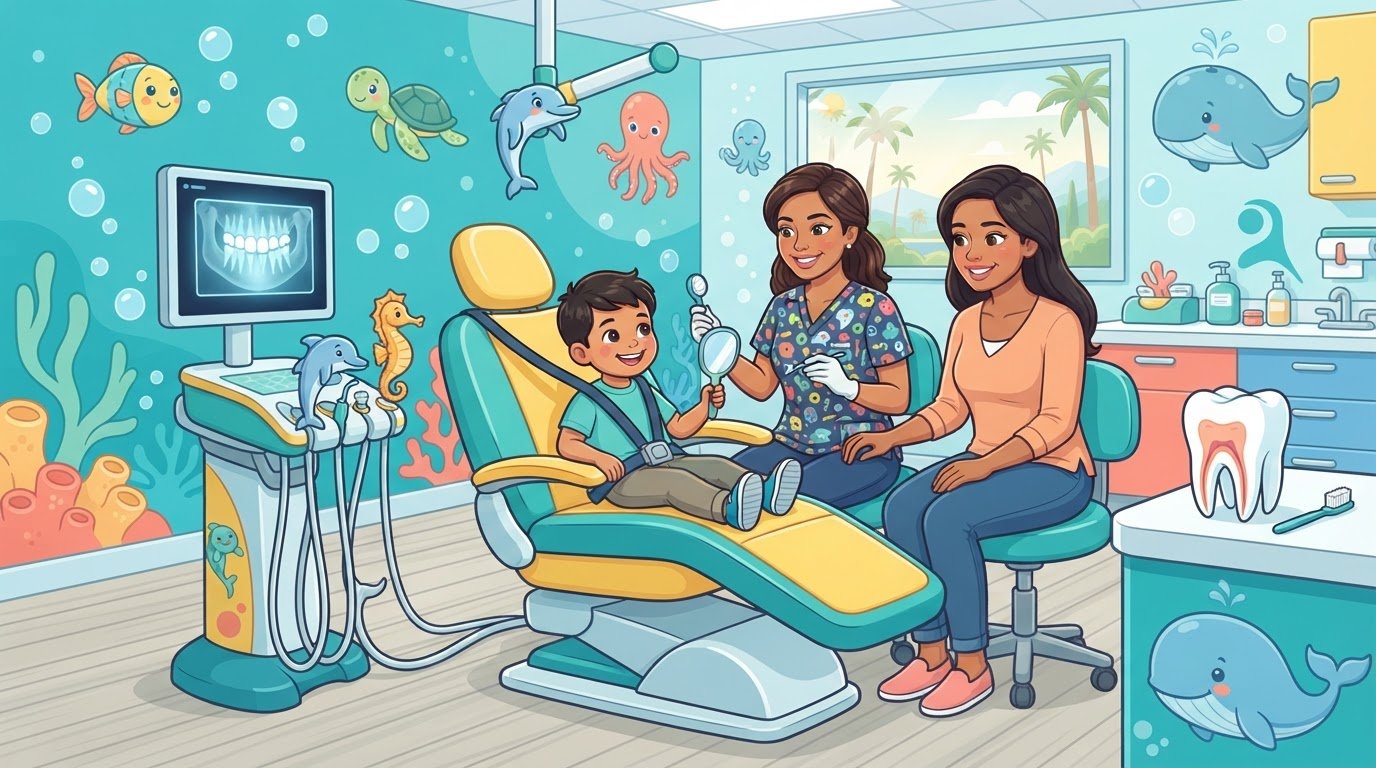
Next, the dentist examines the area and nearby teeth according to the child’s needs. This can help assess the gums, surrounding teeth, and available space, along with any symptoms or visible concerns. Digital low-radiation imaging may be considered when clinically appropriate to evaluate details that aren’t clear from the exam alone. Imaging isn’t automatic; the dentist bases that decision on the findings and the child’s individual situation.
How follow-up recommendations are tailored to the child
After the evaluation, the dentist can explain what the findings may mean and what follow-up makes sense. If the area appears to need observation, the recommendation may be to monitor how the child’s teeth develop. If preserving space seems important, a space maintainer may be discussed as a possible option. Neither approach is right for every child.
Recommendations depend on the examination, age, dental development, health history, and clinical needs. Two children who lose teeth in similar circumstances may receive different guidance. The aim is to make a thoughtful plan for the child in the chair, not to promise a particular outcome or appliance in advance.
Families can help the visit go smoothly by sharing a few details: when the tooth came out, whether it loosened gradually or was lost suddenly, any discomfort or swelling, and whether there was an injury. If symptoms or an impact are part of the story, mention them when arranging care. For a tooth knocked out by an injury, the practice’s emergency dental care guidance addresses that separate situation.
A pediatric dental evaluation can help clarify what to do after an early tooth loss. Fun Valley Kids Dental Group also offers pediatric dental exams and emergency pediatric dental care. Parents can schedule an evaluation at the Sun Valley office to discuss their child’s tooth loss and get recommendations tailored to their needs.
Take the next step with confidence
An unexpectedly early gap can leave you with questions, but a pediatric dental evaluation can help turn what you observed into a clear next step. That may mean discussing the area, planning follow-up, or knowing what to watch as your child grows. A calm visit can also help your child feel supported and keep dental care a comfortable part of their routine.
At Fun Valley Kids Dental Group in Sun Valley, Dr. Mel brings more than 20 years of experience caring for children. If you’re wondering what to do after a baby tooth falls out early, the team can help you discuss your child’s individual needs.
Schedule your child’s dental evaluation with Fun Valley Kids Dental Group in Sun Valley.
Frequently Asked Questions
Can a baby tooth fall out too early without pain?
Yes, a baby tooth can come out without pain. Notice how your child is feeling overall: are they eating comfortably, acting as usual, and able to brush gently? If they seem well, note any changes and discuss the loss with a pediatric dentist if you’re uncertain about follow-up. Pain isn’t required for a dental concern to be worth checking, especially if the tooth came out unexpectedly.
Will my child’s permanent tooth grow in right away after a baby tooth falls out early?
No, you shouldn’t expect a permanent tooth to appear immediately. The gap may remain visible for a while, and a dentist can help you understand what’s typical for your child. Avoid pressing on the area or trying to feel for a tooth beneath the gums. If you notice a new change that concerns you, such as soreness or swelling, share it with the dental team.
Should I keep the baby tooth that fell out?
You can keep it if you’d like to show it to the dentist, but you don’t need to preserve it to get advice. If you bring it, place it in a clean container and avoid handling it more than needed. Note anything your child mentioned before the tooth came out, such as discomfort while chewing. Those details may help provide context during the visit.
Can a baby tooth fall out early because of a cavity?
Yes, decay may contribute to early tooth loss, though a dentist needs to examine the area to assess what happened. Before the appointment, think about whether your child had trouble chewing, reacted to hot or cold foods, or had a previous dental concern in that spot. Share those observations without trying to diagnose the cause yourself. The dentist can explain what the findings mean.
Does every child who loses a baby tooth early need a space maintainer?
No. A space maintainer is one possible part of care, not a standard requirement after every early tooth loss. If the dentist recommends one, ask how it would help your child and what care or check-ins it may involve. If no appliance is recommended, ask what changes to watch for at home and when the area should be reviewed again.
What if my child’s baby tooth fell out after a fall?
Contact a pediatric dentist promptly for guidance after a fall, especially if your child has pain, swelling, or another mouth injury. Keep your child comfortable and avoid pushing or pulling at the affected area. Fun Valley Kids Dental Group has a separate emergency guide for knocked-out teeth, which covers injury-related situations. If you’re unsure whether the missing tooth was a baby tooth, mention that when you call.

Comments