


Reward ideas for a good dental checkup, from badges to outings

Updated: 3 hours ago
A dental visit is worth celebrating even when it doesn’t end with a perfect report. The best reward ideas for a good dental checkup recognize your child’s effort, such as listening, trying something new, or staying brave. A warm compliment or small, non-food surprise can make the visit feel like a proud family milestone.
It makes sense to want your child to associate dental care with positive experiences. Rewards don’t need to be big or involve candy. A badge or certificate, a favorite outing, or extra time for a shared activity can recognize your child’s effort and keep the focus on encouragement.
This guide offers ways to celebrate with certificates and wearable prizes, plan a meal or outing around an appointment, and choose non-food rewards that support healthy routines at home. Pick something your child will enjoy, and let praise for their effort shine just as brightly as the prize.
Table of Contents
1. Should You Reward Your Child After a Dental Visit?
Yes, a small reward can help children connect a dental visit with a positive moment. Recognize effort, such as sitting in the chair, listening to the dentist, or asking a question. A child doesn’t need a cavity-free result to deserve praise. A simple “You kept trying” celebrates bravery without making oral health feel like a test.
Choose a reward that encourages rather than pressures. Before the appointment, explain the plan calmly: “After your checkup, we can pick a library book.” Avoid promising a prize only if your child stays completely still or shows no worry. If the visit feels hard, praise one specific step they managed, such as opening their mouth or taking a deep breath. That keeps the focus on courage, not perfection.
Inexpensive ideas include a heartfelt compliment, a handmade bravery badge, or letting your child choose a library book. These options need no purchase. A small toy, coloring set, or book is another possibility, depending on what you choose. A reward can be meaningful without being large or bought.
Match the idea to your child’s age and interests. Toddlers ages 2-4 may enjoy immediate praise, a sticker, or a small toy. Children ages 5-9 may like adding a sticker to a chart after each visit. For children ages 10 and older, a shared activity or a chance to choose a family outing may feel more appealing than a traditional toy. Notice what your child actually enjoys.
A bookstore or library visit can turn the trip home into a gentle celebration. Let your child choose a story about space, animals, or a favorite character. If the appointment included treatment, choose the timing and activity with your child’s comfort in mind. At home, an extra 10 minutes of bedtime storytime is another quiet way to mark the effort.
Do dentists commonly offer prizes after checkups? Practices differ: some may offer a small prize, while others leave celebrations to families. Treat an office prize as a possible bonus, not a promise. Your own words, a library stop, or a chosen story can recognize your child regardless of what happens at the appointment.
2. Certificates, badges, and cavity-free recognition
A certificate gives a child a keepsake to mark a dental milestone. Make one at home after a visit, with the child’s name, date, and a specific accomplishment. For example, “I asked a question” celebrates participation, while “I sat in the chair” recognizes effort. A bright border, star stickers, or a hand-drawn tooth can make it feel personal.
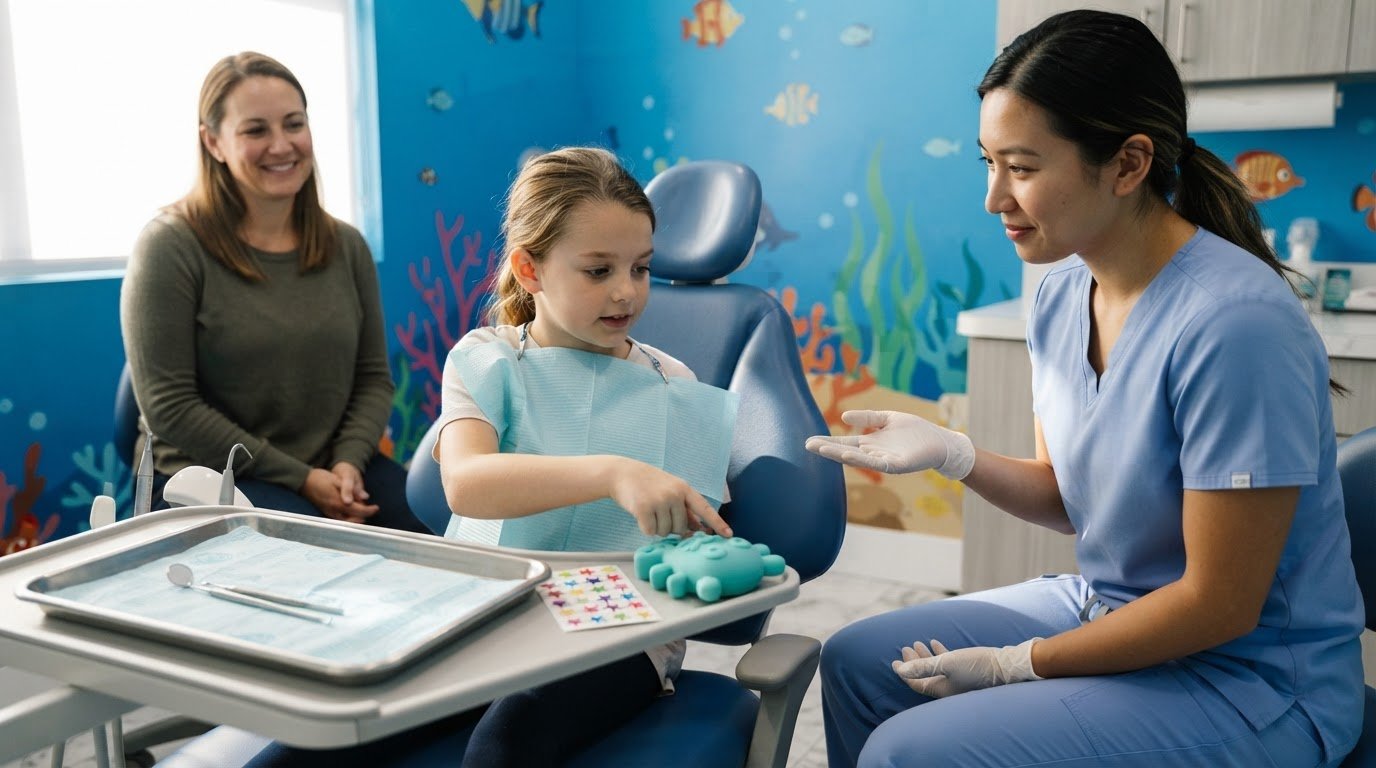
Are stickers, prize boxes, or certificates effective rewards for children at the dentist? They can make recognition tangible and reinforce a positive moment when they connect to something the child values. A sticker for trying, a certificate to display, or choosing a small item from a prize box gives children a cheerful way to remember their effort.
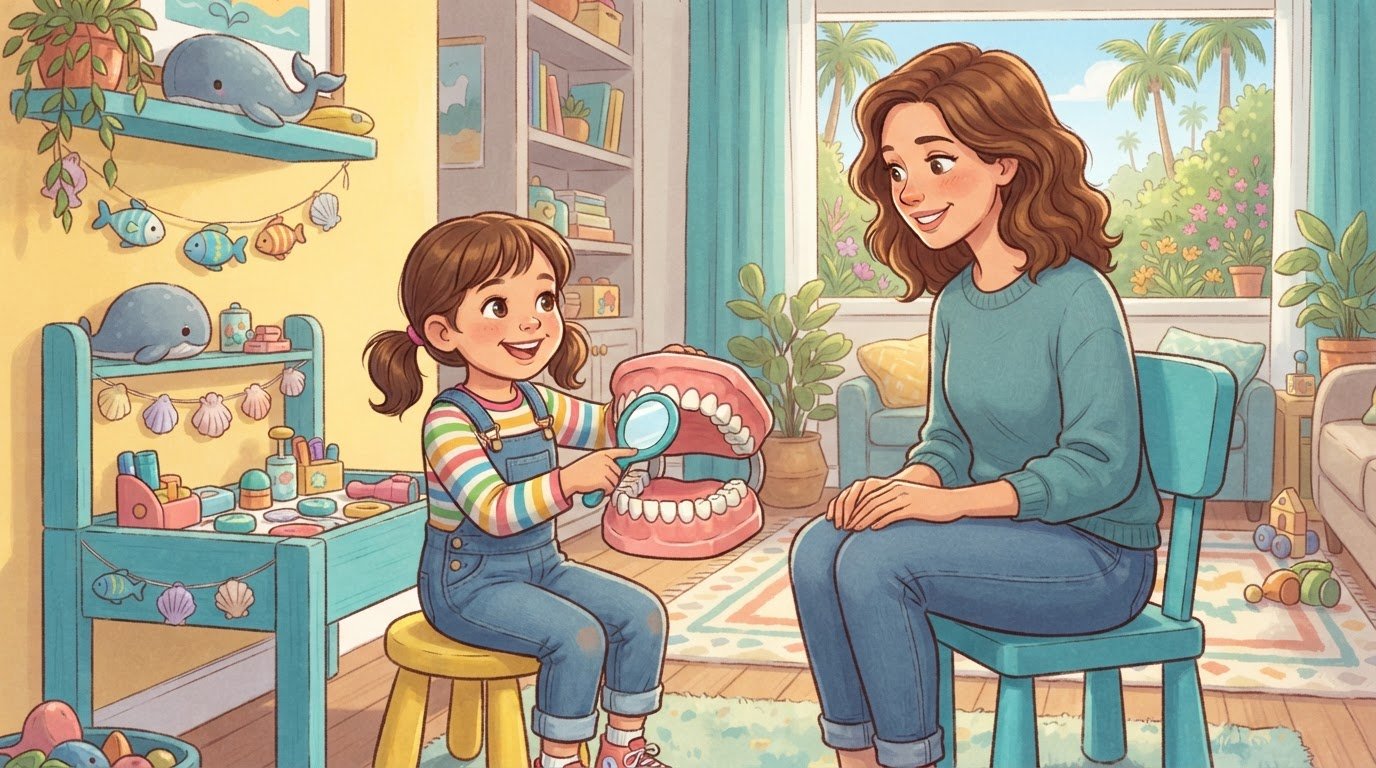
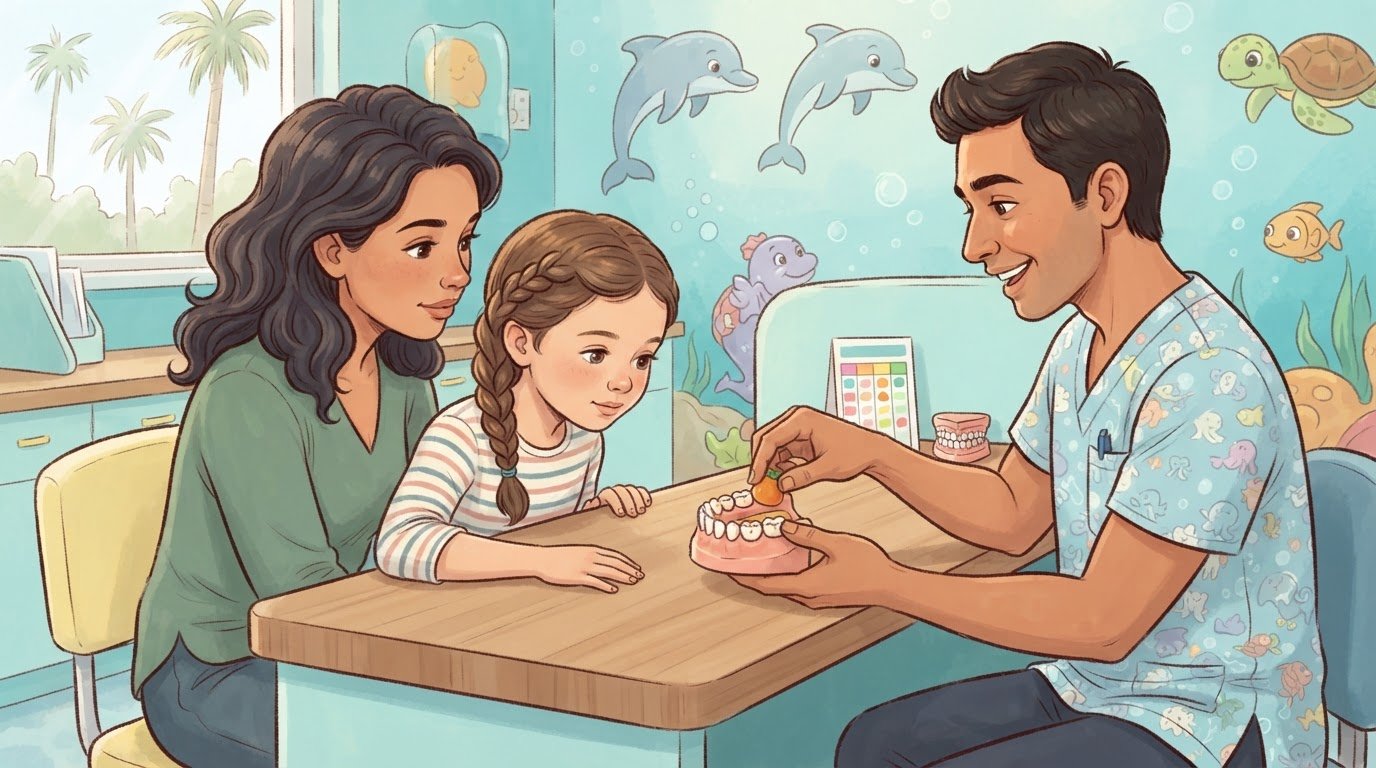
Keep the praise specific. Instead of saying only “Good job,” name the action: “You listened while the dentist explained the mirror,” or “You took a calm breath.” This helps a child understand what you’re celebrating without suggesting they must feel happy or fearless. A certificate can recognize progress even when a visit felt challenging.
A no-cavity certificate can celebrate a healthy checkup, but avoid making it the only kind of success. Children can’t control every factor that affects their teeth, so recognize care and participation, too. A certificate might say, “You practiced healthy oral hygiene,” or celebrate a child for asking about brushing. That keeps the message encouraging, whatever the exam finds.
Make the keepsake easy to earn and understand. After the appointment, choose one concrete moment to recognize, then write it on the certificate together. A younger child might add a sticker; an older child might decorate the page with a favorite animal. These small choices turn recognition into a shared activity instead of a scorecard.
Badges can work as wearable reminders of a milestone. Use a paper badge, a pin-back button, or a ribbon the child can show at home. Say what it celebrates, such as “brave question asker” or “checkup explorer.” A badge should honor an action, not demand perfect behavior at every visit.
For a little surprise, tuck the certificate into a book or place it beside breakfast. Let your child choose where to display it, such as on a bedroom door or family bulletin board. If the visit didn’t go as planned, recognize one small step instead. A warm note and a star sticker can still mark progress.
3. Bracelets, keychains, and wearable prizes
A wearable prize can turn a dental visit into a small adventure your child can carry home. A colorful bracelet, a star-shaped keychain, or a backpack zipper charm gives the child something tangible to choose and enjoy. Let your child pick the color or design, so the reward feels personal rather than like a prize for perfect behavior.
Make the choice part of the routine. Before leaving home, tell your child they can choose a small keepsake after the appointment, whether or not they feel nervous. At the end, offer a few options, such as a soft fabric bracelet, a simple charm, or a keychain. A short choice makes the moment clear without turning the visit into a bargain.
For younger children, keep wearable items simple and age-appropriate. Avoid pieces they might mouth or pull apart, and choose something comfortable that won’t distract them during the drive home. Older children may prefer a keychain for a backpack or a bracelet in a favorite color. Since interests change, ask what they would actually wear.
A small accessory can also celebrate a specific step. You might say, “You asked the dentist about the mirror, and now you can choose a blue bracelet.” That links the reward to an action without expecting a child to feel cheerful or calm throughout the appointment. The message stays friendly: trying and communicating count.
Wearable prizes work best as occasional recognition, not payment for every part of the visit. If a child knows a reward is coming, keep the promise even if the appointment felt difficult. Praise one effort, then hand over the chosen item. This helps the child look forward to the next visit without making the dentist seem like a test.
Keep oral hygiene separate from the prize. A bracelet can mark a visit, while brushing and flossing remain everyday care, not a way to earn accessories. If you want to connect a reward to a routine, use a separate chart at home. For example, the child could choose a charm after following their brushing plan for a week.
Store the keepsake where your child can find it, such as a backpack hook or small drawer. Before the next appointment, invite them to choose a different accessory or bring the keychain along for comfort. A familiar object can make the routine feel predictable, while your calm words keep the focus on care, curiosity, and the next milestone.
4. Celebratory meals around dental appointments
A shared meal can make a dental appointment one stop in a pleasant family outing. Parents might plan breakfast before a morning visit or lunch afterward, depending on the appointment and any care instructions. For example, a child could choose pancakes before a checkup or help pick a lunch spot afterward. Keep the plan simple, so the meal feels like a celebration rather than another task.
Timing matters more than an elaborate menu. For a routine cleaning, a family may prefer a meal before the appointment or a relaxed lunch afterward. If the visit includes treatment, follow the instructions given at the appointment when deciding when to eat. That way, the outing fits around the child’s dental care instead of competing with it.
Give the child a small role in planning. Offer a choice, such as breakfast at home or lunch at a familiar café. A clear choice can make the day feel predictable. Parents can explain the plan calmly: “After your visit, we’ll have the lunch you picked.” This gives the child something concrete to expect.
Keep the reward about time together, not perfect behavior. A child may feel anxious before a visit or need support during a cleaning. The family meal can still be part of the day, regardless of how smoothly the appointment goes. That avoids making food a prize the child must earn through silence or fearlessness.
A favorite meal can replace candy or other sugary rewards. Let your child choose a familiar dish, such as a sandwich, soup, or breakfast favorite, rather than promising sweets after dental care. The point is to celebrate time together, not make dessert the expected finish to every appointment. A special picnic at home can work as well as eating out.
For a child who finds visits stressful, keep the outing low-pressure. Choose a comfortable setting, avoid rushing from the appointment to a crowded activity, and leave room for a quiet meal at home. For instance, parents could prepare a favorite lunch before leaving, then eat together after returning. A predictable plan can make the day easier to follow.
After the meal, connect the celebration to the routine ahead. Ask your child what felt easiest during the visit, then choose a small way to prepare for the next one, such as bringing a favorite book for the car ride. Keep the conversation light. The meal marks a family milestone, while regular brushing and dental visits remain part of everyday care.
5. Non-food rewards for dental checkups
Non-food rewards can celebrate a dental visit without making sweets the expected prize. Try a family game night, an energetic trip to a trampoline park like Cool Springz, or letting your child choose the bedtime story. For families considering reward ideas for a good dental checkup, a shared activity can feel special without turning the appointment into a test.
For oral health habits between visits, make progress visible. Use a brushing and flossing chart, adding a sticker or checkmark when your child completes a chosen task. For example, recognize brushing without fuss or remembering to floss. Set a reachable goal, then celebrate with an activity rather than expecting daily care to be perfect.
An extra 10-15 minutes of playtime or screen time can reward progress toward brushing goals. Agree on the activity and reward beforehand, such as choosing a short game after the evening routine. Keep your praise focused on the habit: “You remembered to floss before storytime.” This connects the reward with a specific action.
A tooth fairy treasure hunt can add imagination to a checkup celebration. Leave a note with a simple clue leading to a book, coloring set, or small toy. A colorful bookmark, art supplies, or choosing music for the family car ride can also feel special. Choose a surprise that suits your child’s interests.
Adults can also choose non-food rewards after completing a dental checkup. Set aside time for a hobby, take a walk, or watch a favorite film to mark the appointment without making dental care feel like a chore.
Parents can encourage good oral hygiene by making routines predictable. Keep brushing supplies easy to reach, then use a chart to recognize habits you want to reinforce. A child might choose a family activity after meeting a brushing goal for a week. These reward ideas for a good dental checkup work best when they celebrate effort, not a flawless streak.
Skip candy and other sugary foods as dental visit prizes. Instead, choose a shared activity, creative surprise, or extra playtime to keep the celebration focused on effort and care. The reward can add a little fun without making sweets the main event.
A practical option is a dental care kit with a toothbrush, toothpaste, dental floss or floss picks, and a protective travel case. Put the items together as a useful, non-food way to recognize care for teeth at home or while traveling. Parents can also track small successes on a dental care reward chart, adding a sticker or checkmark when a child brushes without fuss or remembers to floss. This keeps recognition connected to the habits being encouraged.
For longer-term recognition, celebrate patients at 5-year or 10-year anniversaries with a smile milestone reward. Possible choices include a framed smile certificate, premium whitening kit, spa gift card, or branded insulated mug. Selecting an option that suits the recipient can make the milestone feel personal while keeping the recognition distinct from sugary treats. A simple certificate may appeal to someone who values a keepsake, while a practical gift can be a fitting acknowledgment for another patient.
Fun Valley Kids Dental Group
Fun Valley Kids Dental Group helps families make pediatric dental visits part of a positive, steady routine. If your child is due for a checkup, a Pediatric Dental Exam gives you a chance to discuss preventive care and ways to help your child feel comfortable. Kids Teeth Cleaning can also support preventive care when it fits your child’s needs.
Pairing a visit with praise or a small non-food celebration is one way to recognize your child’s effort. The team’s child-friendly environment can help make the appointment feel welcoming for children and caregivers. Families can find the practice in Sun Valley, California.
For help planning your child’s next dental visit, contact Fun Valley Kids Dental Group.
Make the Next Visit a Positive Milestone
Let your child help shape a small celebration around the next appointment. A familiar ritual they choose can give the day a cheerful rhythm, while your encouragement keeps the focus on growing confidence and caring for their smile. The most useful reward ideas for a good dental checkup are enjoyable without becoming a test your child must pass.
For ongoing care, Fun Valley Kids Dental Group offers pediatric dental exams and professional dental cleanings. These visits give your family a chance to discuss preventive care and your child’s oral health needs.
Ready to plan your child’s next step? Contact Fun Valley Kids Dental Group to arrange a pediatric dental appointment. Your family can keep building a bright, confident path toward comfortable dental visits.
Frequently Asked Questions
Should You Reward Your Child After a Dental Visit?
Yes, if the reward recognizes your child’s effort rather than demanding perfect behavior. You might praise a child for telling the dentist when they need a pause, or for returning to the chair after a break. Keep the reward plan flexible if the appointment feels different than expected. This makes recognition supportive, not a bargain that adds pressure to an unfamiliar experience.
What Makes a Dental Giveaway Actually Memorable?
A giveaway feels memorable when it reflects the child’s interests and marks a specific moment. A dinosaur-loving child might enjoy a small dinosaur figure, while an artist may prefer a pocket sketchpad. Add a short note naming what the child did well, such as speaking up or trying a new step. The personal connection can make a modest item more meaningful than a generic prize.
What are age-appropriate rewards for a child after a good dental checkup?
Choose rewards that fit the child’s age, independence, and interests. For ages 2-4, an easy-to-hold sticker or simple sensory play item may suit short attention spans. Children ages 5-9 might enjoy choosing a craft or activity. Those ages 10 and older may value picking a playlist, outing, or practical accessory. Offer choices that are safe and comfortable for your child.
What are non-food reward ideas after a dental visit?
Non-food rewards can be shared experiences or small privileges. Let your child choose the route home, pick a family playlist, or decide which game to play that evening. A puzzle, craft activity, or extra time building with favorite blocks can also mark the day. Choose an option that fits your schedule, and describe it as a celebration of participation, not a prize for having no worries.
What small toys or activities make good dental checkup rewards?
Simple options include a mini puzzle, a coloring page, a reusable activity pad, or a craft your child can finish with you. For an activity that costs nothing, invite your child to invent a short story about the ride home or choose a family game. Pick items suited to your child’s age, and avoid tiny pieces if they could pose a safety concern.
Comments