


Common dental problems in toddlers and what they mean

Baby teeth need careful attention from the moment they appear. Among the common dental problems in toddlers, tooth decay is a key concern: bacteria in the mouth turn food left on teeth into acids that weaken enamel. Decay may lead to pain or sensitivity. Other changes, such as frequent thumb sucking or teeth grinding, can have different causes and are worth monitoring.
It’s natural to wonder whether a change in your toddler’s mouth is part of growing or a sign they need help. This guide covers tooth decay, thumb sucking and pacifier use, bad breath, gum problems, and grinding. Learn what to look for and how to support healthy teeth at home, plus when a dental exam can help clarify what’s happening and what to do next.
Table of Contents
1. What is tooth decay in children?
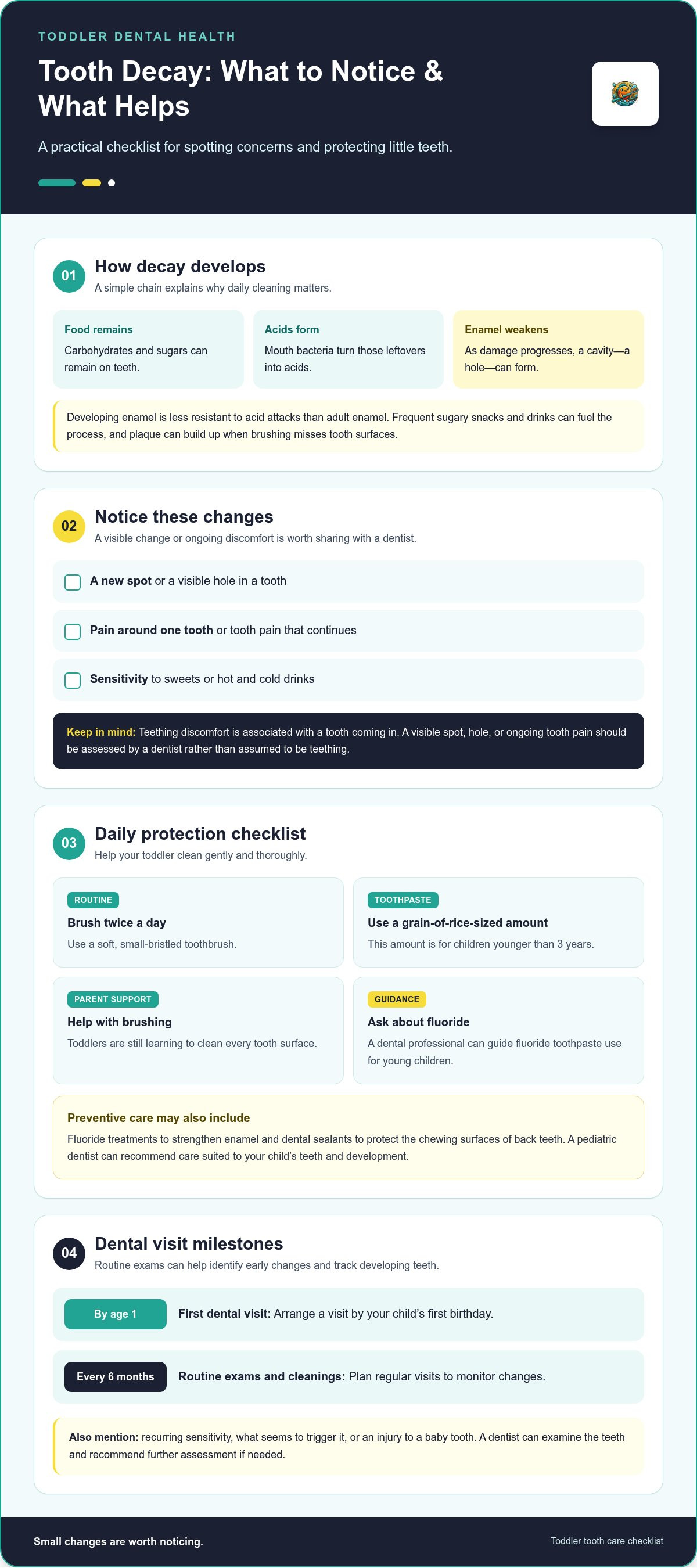
Tooth decay starts when acids weaken the outer enamel. As damage progresses, a cavity, or hole, can form. Baby teeth matter: untreated cavities can cause pain and infection, making it harder for children to eat, speak, play, or learn.
What causes tooth decay and cavities in toddlers? Bacteria in the mouth turn carbohydrates left on teeth into acids. Frequent sugary snacks and drinks can fuel this process, while plaque builds up when brushing misses tooth surfaces. Developing enamel is less resistant to acid attacks than adult enamel.
Look for a new spot, a visible hole, pain around one tooth, or sensitivity to sweets and hot or cold drinks. These signs can have different causes. A pediatric dentist can examine the teeth and recommend further assessment if needed.
How do teething symptoms differ from dental problems in toddlers? Teething discomfort is associated with a tooth coming in, while a cavity may cause pain around a specific tooth or sensitivity to food and drinks. A visible spot, hole, or ongoing tooth pain should be assessed by a dentist rather than assumed to be teething.
For daily care, brush twice a day with a soft, small-bristled toothbrush. Children younger than 3 years should use a grain-of-rice-sized amount of toothpaste. Ask a dental professional for guidance on fluoride toothpaste use for young children. Help with brushing; toddlers are still learning to clean every surface.
Fluoride toothpaste helps protect teeth from decay, and fluoride treatments strengthen enamel. Dental sealants can protect the chewing surfaces of back teeth. A pediatric dentist can recommend preventive care suited to your child’s teeth and development.
When should toddlers first see a dentist, and how often should they go? Arrange a first visit by the child’s first birthday, then plan routine exams and cleanings every 6 months. These visits help identify early changes and keep track of developing teeth.
Tooth sensitivity can also result from enamel erosion, including damage linked to acidic foods or brushing too hard. Use a soft-bristled toothbrush and gentle strokes, and mention recurring sensitivity at a dental visit. Note what triggers it, such as cold drinks or sweets.
Falls are common as young children learn to walk and run, and sports can bring a risk of tooth injury as they grow. Seek dental care promptly after an injury. Injuries to baby teeth need attention because care also considers the permanent tooth developing underneath.
Healthy habits and early attention can help prevent small concerns from becoming painful. Notice changes such as a new spot, sensitivity, or an injury, and share them during a dental exam.
2. Thumb sucking and pacifier use
Thumb sucking and pacifier use are common in young children, but their effects depend on the habit, when it starts, and how long it continues. Occasional use and a frequent, prolonged habit can affect developing teeth and jaws differently. Notice how often your toddler sucks a thumb or uses a pacifier, and whether the habit continues as they grow.
Prolonged thumb sucking can affect dental and jaw development and contribute to misaligned teeth. Pacifier use may also affect the bite when it continues beyond the toddler stage. Possible bite changes include an overbite, underbite, crossbite, or open bite, where the upper and lower teeth don’t meet normally. The effect can depend on the habit and how long it continues.
Age provides a useful point for observation: prolonged thumb sucking or pacifier use past age 3 to 4 may affect the teeth and palate. That doesn’t mean every child will develop a bite problem at that age. It does mean parents can watch for changes, such as front teeth that appear not to meet when the mouth closes, and mention persistent sucking at a dental visit.
Dental alignment matters beyond appearance. Misaligned teeth can affect chewing and speech, so watch for practical changes as well as shifts in tooth position. If your child seems to have trouble biting food or forming certain sounds, share that with a pediatric dentist. The dentist can monitor jaw development and assess whether the habit is affecting the bite.
Use a calm, encouraging approach when helping your child reduce thumb sucking. Positive reinforcement can help: praise your toddler for choosing another activity, and respond to setbacks without scolding. Offer a toy or invite your child to use both hands during play as a simple alternative.
Consider the habit separately from daily oral care. Brushing with fluoride toothpaste helps protect against decay, while thumb sucking and pacifier use mainly relate to how teeth and jaws develop. Continue brushing your child’s teeth and gums, and discuss both hygiene and sucking habits at a dental checkup.
Permanent teeth develop beneath baby teeth, so monitoring the bite can help you understand changes as your child grows. Note how often sucking occurs, whether it happens during sleep or daytime activities, and any changes in chewing or speech. Sharing these observations helps a pediatric dentist assess the habit and monitor dental development.
3. Bad breath
Bad breath in toddlers can have everyday causes, including oral hygiene, dry mouth, or food choices. Notice when it appears and whether it lasts through the day. For example, note whether it follows a particular snack or returns after brushing. These details can help distinguish a short-lived change from persistent bad breath that may need attention.
A steady brushing routine is a useful first step. Help your child brush their teeth, tongue, and gums for 2 minutes twice a day with fluoride toothpaste. Food particles and plaque can remain when brushing misses the tongue or tooth surfaces. Stay nearby and guide the brush gently, especially around the back teeth, where toddlers may have trouble reaching.
Dry mouth can contribute to unpleasant breath, so offer water throughout the day. Water helps keep the mouth moist, while sugary drinks and frequent snacks can leave residue that affects dental health. Offer water after snacks and continue the usual brushing routine rather than trying to mask the odor with strongly flavored foods or drinks.
Pay attention to mouth breathing, too. A child who often breathes through the mouth may have a dry-feeling mouth, which can contribute to bad breath. Tongue thrusting and mouth breathing can also affect normal jaw and tooth development. Note these patterns during sleep or play, then share specific examples with a pediatric dentist.
Persistent bad breath through the day deserves attention, particularly if brushing and water haven’t helped. A pediatric dentist can examine your toddler’s mouth and discuss their daily routine. Mention when the odor began, whether it comes and goes, and any foods or habits that seem connected. Breath odor alone doesn’t identify a specific problem.
Look for other changes alongside the odor, such as red or swollen gums, visible spots on teeth, or pulling away from a cold drink. Tooth sensitivity can have different causes, so describe what you observe rather than trying to diagnose it. A clear example helps the dentist understand the concern in the context of your child’s overall dental health.
Make observations part of a simple daily check: notice your child’s breath, offer water, and help them brush twice a day. If bad breath persists, arrange a dental assessment rather than relying only on changes to food or oral care. Mention mouth breathing or tongue thrusting, too, since these habits can affect developing jaws and teeth.
4. Gingivitis and gum disease
Gingivitis is inflammation of the gums, and toddlers can develop it. Look for redness or swelling, especially along the gumline. Gums may also bleed during brushing. These changes can be easy to miss when a child resists brushing or having their mouth checked, so take a moment to look.
Plaque left around the teeth can irritate the gums. Poor oral hygiene and diet are among the risk factors for gingivitis in children. If brushing misses the gumline or sticky food remains around the teeth, plaque can collect there. Check your toddler’s gums in good light and note where redness or bleeding appears.
Gentle, consistent care helps protect gum health. Brush your child’s teeth twice a day, guiding the bristles along the gumline without scrubbing hard. Once your child is older than 2, floss their teeth daily, especially where neighboring teeth touch. If a space is too tight for a toothbrush to reach, floss can help clear trapped food and plaque.
Bleeding during brushing may tempt you to avoid a tender area, but skipping it can leave plaque behind. Use a soft toothbrush and gentle strokes around each tooth instead. If bleeding continues or swelling recurs in the same area, note what you see and arrange a dental assessment.
Gum inflammation can have several causes, so appearance alone doesn’t show how serious it is. A pediatric dentist can examine the gums, check for plaque, and consider your child’s brushing habits and diet. Describe practical details, such as whether bleeding happens each time you brush or only near one tooth.
Ongoing gum inflammation may need professional attention, and more severe gum disease requires assessment rather than home care alone. Seek dental advice if swelling persists, bleeding recurs, or your child seems uncomfortable while eating or brushing. After examining the gums and teeth, a dental professional can explain suitable care and show you how to clean tender areas comfortably.
Gum care remains important as baby teeth make way for permanent teeth. Keep a predictable brushing routine in the morning and at bedtime, and include a quick visual check. Gently lift your toddler’s lip to look for redness around the front teeth. This helps you notice changes early and describe them clearly at an appointment.
Toddlers are still learning to control a toothbrush, so oral hygiene is a shared task. Let your child practice, then brush any missed areas yourself. If red, swollen gums or bleeding continue despite careful daily cleaning, arrange an evaluation rather than waiting for the next routine visit. Early attention can clarify whether gingivitis or another concern needs care.
5. Teeth grinding
A toddler may grind their teeth while awake or asleep, and the sound can catch your attention. Note when it happens, how often you hear it, and whether your child seems uncomfortable afterward. These observations help a dentist assess the teeth, enamel, and bite. Grinding alone doesn’t show whether damage has occurred, so an examination is needed to evaluate the mouth.
Repeated grinding can wear down tooth surfaces. Watch for visible changes, such as flattened edges or chipped areas, and mention them during a dental exam. A dentist can check for enamel wear and assess how the upper and lower teeth meet. A nightguard may be considered, but it needs professional assessment based on the child’s age and teeth.
Tooth grinding is different from tooth decay, though both can affect the same mouth. Bacteria contribute to decay by turning carbohydrates left on teeth into acids; fluoride helps strengthen enamel against decay. Continue your child’s brushing routine and describe the grinding separately, including whether it happens during naps, at night, or while playing.
Misalignment may also need attention as a child grows. Prolonged thumb sucking or pacifier use can affect dental and jaw development and contribute to bite changes. For example, you might notice that the front teeth don’t meet when your child closes their mouth. A pediatric dentist can monitor tooth position and jaw development over time.
Infection in a baby tooth is another reason to pay attention to changes, not just grinding. Decay can progress into the inner tooth or tissues around its root, causing pulpal or periapical infection. Severe infection around lower primary teeth can affect the position or eruption of a developing permanent tooth. Report tooth pain, a visible cavity, or a change in tooth position rather than focusing only on grinding.
Baby teeth have their own timeline. A child’s first baby tooth typically loosens around age six, so a loose tooth in a toddler is earlier than expected. Regular dental checkups allow a pediatric dentist to monitor development and identify baby teeth that remain in place longer than expected. Share which tooth seems loose or retained and any changes you’ve noticed.
Before an appointment, make a brief note of when grinding occurs, any visible tooth wear, and changes in chewing or tooth position. This helps the dentist consider grinding alongside alignment, infection, and normal development. A nightguard may be considered for grinding, while care for infection or alignment depends on the specific concern found during the examination.
Fun Valley Kids Dental Group: Pediatric Dental Exams
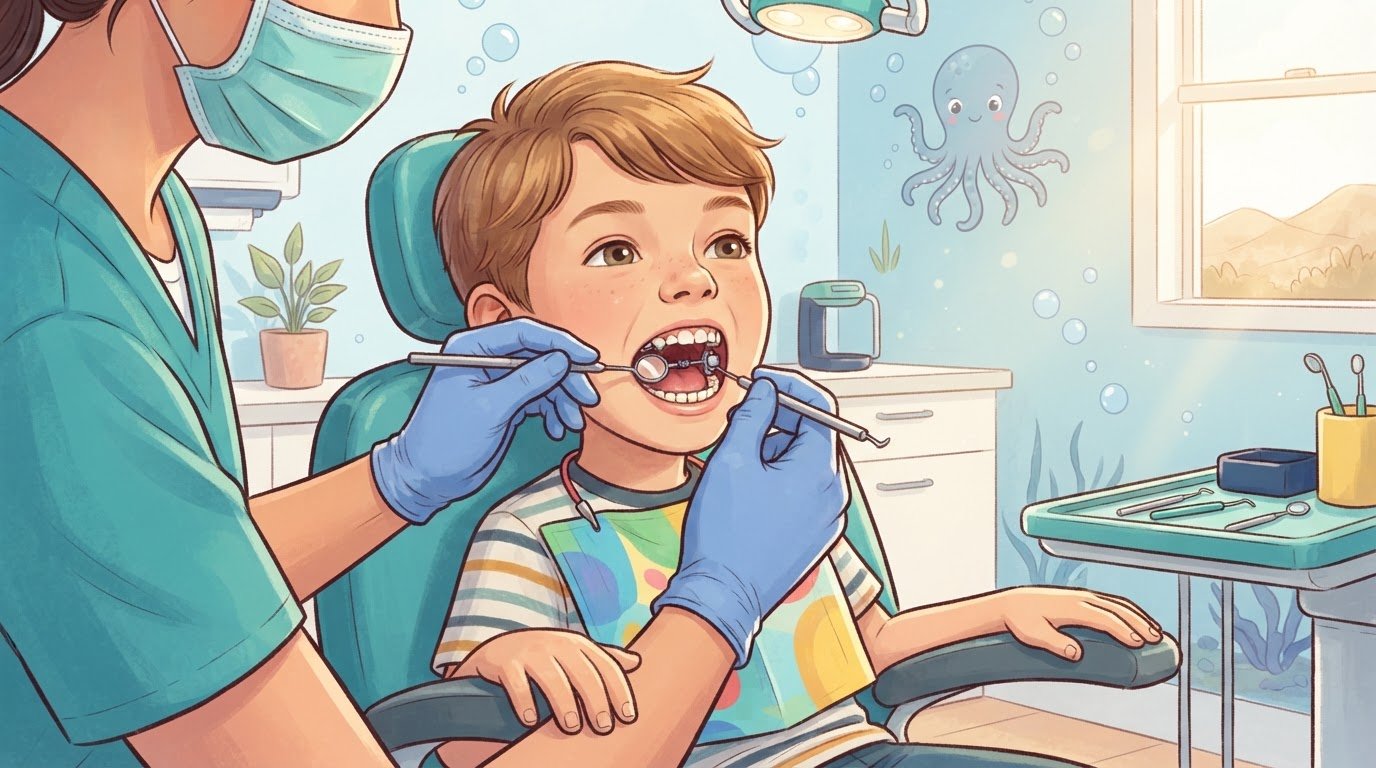
Fun Valley Kids Dental Group provides pediatric dental exams in Sun Valley, California, to help families understand changes in a toddler’s teeth and gums. The dentist can check for visible cavities, gum inflammation, tooth wear, or changes in tooth position. Share when you first noticed a symptom and what seems to trigger it, such as brushing or cold drinks.
Dental cleanings remove plaque buildup, while fluoride treatments and dental sealants support prevention. The dentist can explain which steps suit your child’s teeth and oral health needs. Regular visits also give you a chance to ask questions and learn practical ways to care for little teeth at home.
Contact Fun Valley Kids Dental Group or visit funvalleykidsdental.com to arrange a pediatric dental exam.
Take the Next Step Toward a Happier Dental Routine
Your toddler’s smile is part of a bigger journey of growth. You don’t have to address every concern at once: choose one manageable next step and make dental care a supported part of family life. A steady, encouraging approach can help your child feel more comfortable with care as they grow.
Understanding common dental problems in toddlers can help you feel prepared, but you don’t have to sort through every question alone. A conversation with a pediatric dental team can help you focus on what matters for your child now and feel ready for the milestones ahead.
When you’re ready to plan that next step, contact Fun Valley Kids Dental Group. Your family can keep moving forward with care, confidence, and brighter smiles.
Frequently Asked Questions
What is tooth decay in children?
Tooth decay can be treated in different ways depending on how far it has progressed. Early changes may be managed with plaque removal, cleaning the affected area, remineralization, fluoride, or sealants. More advanced decay often requires removing the damaged part of the tooth and restoring it with a filling. A dental assessment helps determine which approach suits the tooth’s condition.
What are the most common dental problems in toddlers?
Cavities are a key concern, along with changes involving oral habits, gums, breath, or tooth wear. Describe what you’ve noticed rather than trying to label it. For instance, note whether the change affects one tooth or several, and whether it appears at a particular time of day.
What are the signs of cavities or tooth pain in a toddler?
Some toddlers show discomfort through changes in their routine rather than clear words. A child who suddenly resists toothbrushing, wakes unsettled, or guards one side of the mouth may be uncomfortable, though these behaviors can have other causes. Note when they began and whether they recur around meals, brushing, or bedtime, then share those details during a dental assessment.
How common is early childhood tooth decay in the United States?
More than half of U.S. children aged 6 to 8 years have had a cavity in at least one baby tooth. This statistic describes children in that age group, not toddlers specifically. It offers context for why caregivers keep an eye on baby teeth as children grow. A dentist can discuss your toddler’s individual risk based on their teeth and daily routines.
How can parents prevent cavities in toddlers, including brushing and fluoride use?
Review feeding routines as well as brushing. If your toddler has a bottle at bedtime, fill it with water rather than juice or formula, which contain sugars. Try to avoid making sugary snacks a frequent between-meal habit. A pediatric dentist can help you build a prevention routine that suits your child’s age and eating patterns.
What should parents do if a toddler chips or knocks out a tooth?
Contact a dentist promptly after an injury and explain whether it involved a chip, a loosened tooth, or a tooth that came out. If you know whether it was a baby tooth, mention that too. Describe how and when the injury happened, along with any changes since. These details help the dental team understand the situation and decide what needs attention.
When is toddler tooth pain or swelling an emergency?
Tooth pain with swelling calls for prompt dental guidance, especially if the swelling is increasing or affecting your child’s usual activities. When contacting the dental team, describe where the swelling is, when it began, and whether it has changed. This timeline communicates the concern clearly and helps guide a timely next step.


Comments