


Long-Term Benefits of Pediatric Dental Care for Kids

Early dental care can shape more than a child’s smile. The long-term benefits of pediatric dental care come from building healthy habits, spotting concerns early, and treating cavities before they interfere with a child’s comfort or daily routines.
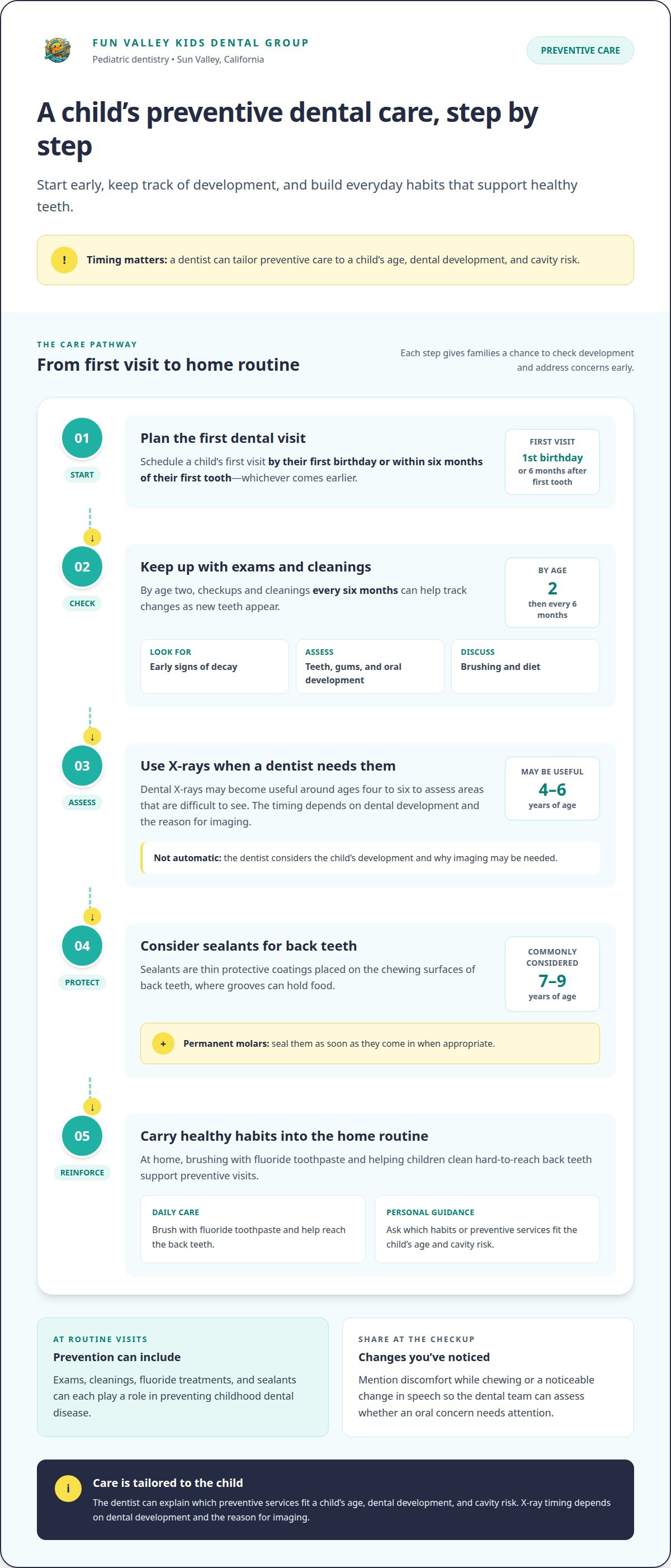
Checkups do more than keep a child’s teeth clean. They let the dentist follow dental development, provide age-appropriate preventive care, and address concerns before they become harder to manage.
The long-term benefits of pediatric dental care come from regular visits, preventive care, and timely attention to cavities. Healthy teeth can make everyday activities such as eating and speaking more comfortable, while consistent care helps children build lasting oral-health habits.
Table of Contents
Preventive checkups and early diagnosis
Preventive visits help children establish healthy routines and give the dental team a chance to look for early signs of decay or other changes. Starting at the recommended time helps families understand a child’s needs as their teeth develop.
Routine Exams and Early Detection
A preventive exam lets a dentist assess a child’s teeth, gums, and oral development before a small concern becomes harder to manage. Children should have a first visit by their first birthday or within six months of their first tooth, whichever comes earlier. By age two, checkups and cleanings every six months can help track changes and guide care as new teeth appear.
At an exam, the dentist can look for early decay, discuss brushing and diet, and recommend care suited to the child’s mouth. Dental X-rays may become useful around ages four to six when a dentist needs to assess areas that aren’t easy to see. The timing depends on the child’s dental development and the reason for imaging.
Speech, Chewing, and Jaw Development
Healthy teeth support everyday activities such as chewing and forming sounds. At checkups, the dentist can observe a child’s teeth and bite as they develop. If your child has discomfort while chewing or a noticeable change in speech, mention it at the visit so the dental team can assess whether an oral concern needs attention.
Preventive pediatric dental care also includes steps to lower cavity risk. Sealants are thin protective coatings placed on the chewing surfaces of back teeth, where grooves can hold food. They’re commonly considered for children around ages seven to nine, and permanent molars should be sealed as soon as they come in when appropriate.
Regular exams, cleanings, fluoride treatments, and sealants can each play a role in preventing childhood dental disease. At home, brushing with fluoride toothpaste and helping children clean hard-to-reach back teeth support those visits. A dentist can explain which habits or preventive services fit a child’s age and cavity risk.
How much does pediatric dental care cost in the United States, and what does insurance cover? Costs depend on the care needed and the dental plan. Many pediatric plans cover routine preventive visits at 100%, but benefits and patient responsibility vary, so families should review their plan details.
How can parents find affordable pediatric dental care near them? Check your dental plan’s directory for participating pediatric dentists nearby, then review benefits with your insurer. Fun Valley Kids Dental Group accepts Medi-Cal/Denti-Cal and PPO dental insurance plans. Families should verify eligibility, covered services, benefits, and patient responsibility directly with the office and their insurer. Regular preventive visits can help families keep up with their child’s dental care.
Childhood cavities and their effects
A cavity is a damaged area of a tooth that needs attention from a dentist. In the United States, more than 20% of children have had cavities by age five, and almost 10% have untreated tooth decay by that age. These figures show why parents shouldn’t wait for a child to report pain before seeking dental care. A dental exam can identify a problem and help determine what care may be appropriate.
Cavities can affect baby teeth as well as permanent teeth. About 25% of U.S. children ages two to five have cavities in their baby teeth. About 17% of children ages six to 11 have cavities in their permanent teeth. A child’s age alone doesn’t show whether decay is present, so a dentist assesses the teeth and the child’s symptoms rather than relying on appearance or age.
Untreated decay can cause pain that makes it harder for children to eat comfortably or speak clearly. An infection from a cavity may also affect permanent teeth developing beneath the gums. If your child avoids chewing on one side or struggles with meals, arrange a dental assessment. Severe or extensive cavities in very young children may require hospital treatment under general anesthesia.
When a dentist finds a cavity, the recommended care depends on the tooth and the extent of decay. A filling may be appropriate for some damaged teeth, while extensive decay may call for a different treatment plan. The goal is to address the affected tooth and support the child’s comfort and oral health. Prompt attention also helps families understand next steps instead of leaving a cavity untreated.
Parents can support cavity prevention with daily brushing using fluoride toothpaste and regular dental visits. The dentist can discuss brushing techniques, food and drink habits, and whether a fluoride treatment fits the child’s needs. These conversations offer practical guidance for home care, while an exam helps identify changes parents may not see.
If an insurance company is involved, families can review their dental plan’s benefits for exams and cavity treatment. Coverage varies by plan and service, so an insurer’s benefit details help explain the family’s responsibility. Whatever the coverage, a child’s pain or suspected infection deserves attention. Sharing when discomfort began and which tooth seems affected can help the dentist understand the concern and plan an evaluation.
Oral health and school performance
A child’s oral health can shape how comfortably they take part in a school day. Classroom activities ask children to listen, speak, work with classmates, and follow routines. Dental concerns may distract from those tasks, while preventive care gives families a chance to address oral health outside a busy school day.
Consistency helps. When possible, plan routine dental appointments around the school calendar to avoid interrupting lessons or activities. A family calendar can keep track of upcoming visits, school projects, and attendance needs. If your child misses class for care, let the teacher know and ask about assignments or classroom updates.
School routines can also support daily oral care. A caregiver might help a child brush before the morning school run or pack a toothbrush for after lunch when practical. Keeping supplies in a familiar place makes the habit easier to remember. A steady routine at home can help a child maintain healthy habits during busy school weeks.
Participation matters beyond lessons. Group presentations, reading activities, and conversations with classmates all call for children to feel at ease socially. A child who feels self-conscious about their teeth may hold back. Listen for comments about appearance or reluctance to join in, and discuss any dental concerns at a visit.
Caregivers can share useful context with teachers without asking them to assess dental health. If your child seems distracted at a particular time of day, for instance, ask whether the teacher has noticed a pattern. Consider that information alongside what you observe at home, then share relevant concerns with the dental team.
When dental care is part of the family schedule, parents can plan around school responsibilities as well as appointments. Check the class calendar before booking a routine visit, prepare questions about your child’s oral health, and note any school-day changes worth discussing. These simple steps connect dental care with a child’s wider routine.
Healthy participation at school depends on many aspects of a child’s wellbeing. Oral care is one practical part families can support with consistent routines, thoughtful scheduling, and communication about concerns. Making dental health part of the family calendar helps children stay ready for the learning and activities each school day brings.
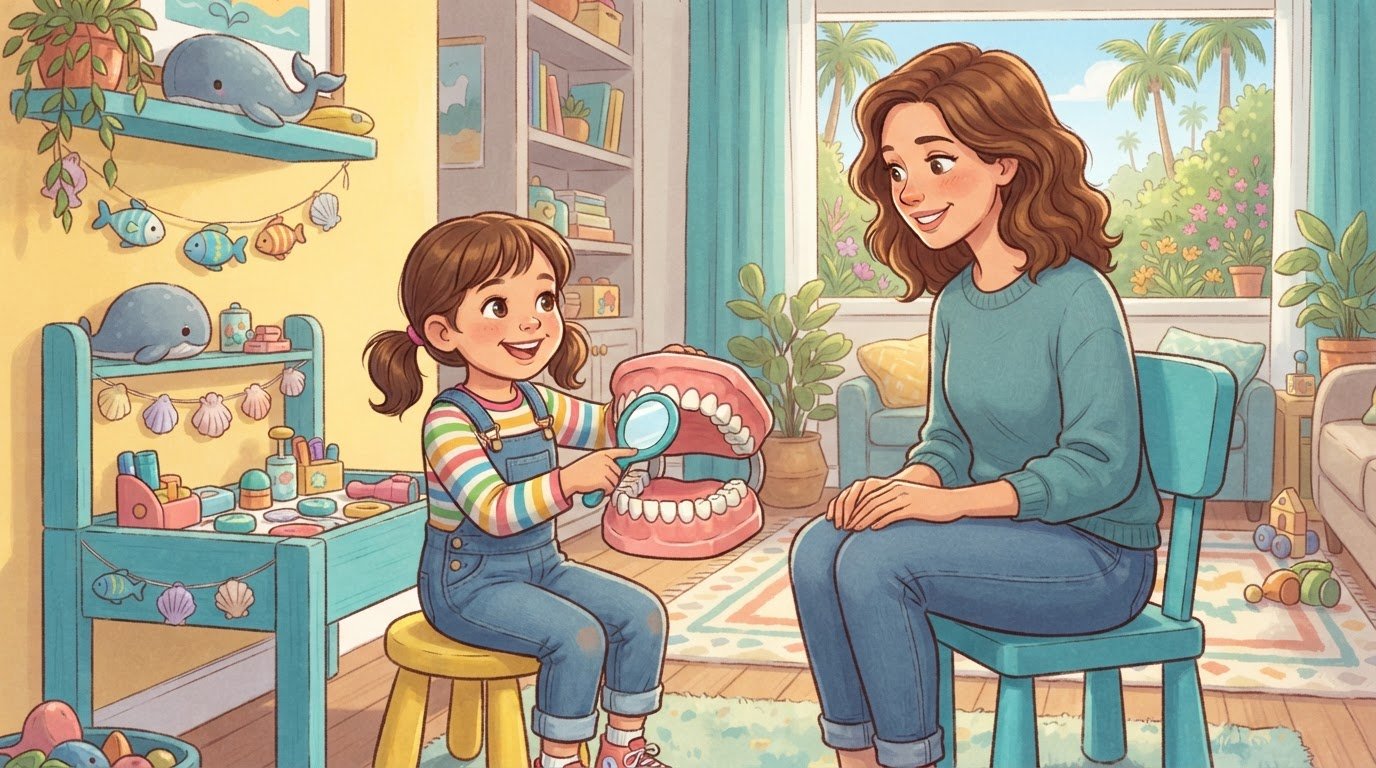
Can childhood dental visits improve oral health habits into adulthood?
Yes. Childhood dental visits can make oral care familiar rather than something a child associates only with tooth pain. The dentist can demonstrate brushing, explain what clean teeth feel like, and give children a chance to ask questions. Repeated visits help children connect daily habits with their oral health.
A visit can turn general advice into a practical demonstration. If a child misses the back teeth while brushing, the dentist can show how to reach them. At home, a caregiver can use the same technique during the morning or bedtime routine. Regular reminders help children practise until they can manage more of the routine themselves.
Visits also give families a chance to discuss everyday habits. A parent can ask how snacks or sweet drinks fit into a child’s day, for example. The dentist can explain how food choices and brushing relate to cavity prevention. Children learn that caring for teeth involves more than a toothbrush, while caregivers get guidance suited to their child.
As children grow, caregivers can gradually hand over more responsibility. A young child might brush with an adult’s help, then take a more active role by choosing a toothbrush or following a bathroom routine. An older child can practise brushing independently while a caregiver checks that every area receives attention. Small steps build skills through daily repetition.
Regular visits reinforce oral-health guidance over time. When a child hears at home and at appointments how brushing supports healthy teeth, the message becomes part of a consistent routine. If the dentist points out plaque near the gumline, for example, the child can focus on that area during the next brushing session. Specific feedback makes the advice easier to use.
Dental appointments can also help children learn to describe a concern. A child might say, “This tooth hurts when I chew,” instead of staying quiet. Clear communication helps a caregiver understand what the child feels and explain it at the appointment. That skill remains useful as children grow and take more responsibility for their health.
As teens approach adulthood, familiar routines can make the transition to independent oral care easier. A teen who already brushes consistently, understands why cleanings matter, and can describe a dental concern has practical skills to carry forward. Childhood visits don’t replace daily care; they connect professional guidance with habits children practise at home, one small step at a time.
In the United States, children’s permanent teeth begin to come in around age 6, making familiar preventive routines useful as children’s mouths change.
How does pediatric dental care support speech, chewing, and jaw development?
Speech, chewing, and jaw development change as a child’s mouth grows. Dental visits let the dentist track tooth position and bite changes across developmental stages, rather than viewing each concern in isolation. This broader perspective can help families understand how a child’s teeth are changing and whether further evaluation may be useful.
As permanent teeth begin to come in around age six, a child’s bite can change alongside their smile. The dentist can observe how upper and lower teeth meet and note changes as new teeth emerge. Around age seven, a dentist may suggest an orthodontic assessment. That early look focuses on tooth position, bite, and dental development, not an automatic decision to begin treatment.
Speech uses coordinated movements of the tongue, lips, and teeth to form sounds. As a child’s teeth change, speech may sound different during development. Share specific observations with the dentist, such as a sound your child finds difficult to pronounce. The dentist can consider them alongside the child’s oral development and explain whether the teeth or bite need attention.
Chewing also involves coordinated movement of the teeth and jaw. As a child’s bite changes, the dentist can assess how the teeth come together and whether their position affects chewing. This differs from evaluating a single sore tooth: the focus is how the teeth and jaw relate as the mouth develops.
Keeping track of developmental changes can make visits more informative. Mention when permanent teeth begin appearing or if your child’s bite seems different after a tooth emerges. An orthodontic assessment considers the individual’s bite, tooth position, and dental development. The findings help guide whether monitoring or treatment planning is appropriate.
If you’re noticing a change in your child’s bite or tooth development, schedule a pediatric dental assessment to discuss what you’ve observed.
Developmental visits also give families a chance to discuss concerns beyond tooth alignment. Children can develop cavities by their first birthday. Childhood cavities can cause pain, difficulty eating and speaking, and infections that may damage permanent teeth developing beneath the gums. Tell the dentist about changes in your child’s comfort, eating, or speech, as well as any observations about their bite. These details help keep the discussion focused on your child’s needs and dental development.
When discussing chewing or speech, describe what you have noticed and ask whether cavities or other dental concerns need attention. Difficulty eating or speaking may be related to childhood cavities, while changes in tooth position or bite can be considered as part of a developmental assessment. Raise these concerns during a pediatric dental visit and ask what follow-up is appropriate. For coverage questions, verify your child’s applicable dental-plan benefits directly with the insurer. Focusing on observed symptoms and development helps connect speech, chewing, and jaw questions with your child’s dental care.
Fun Valley Kids Dental Group: Emergency Dental Care
Fun Valley Kids Dental Group provides emergency dental care for children with urgent concerns such as tooth pain or a dental injury. A prompt assessment helps identify what’s happening and what care may be appropriate. Share when the pain or injury began and what symptoms your child is experiencing.
For nonurgent concerns, pediatric dental exams and cleanings help families stay on track with routine care. Fluoride treatments can also support cavity prevention as part of a child’s dental plan. Recommendations depend on the child’s examination and needs.
The practice’s office is in Sun Valley, California, in a child-friendly setting designed for families. Contact Fun Valley Kids Dental Group to discuss your child’s dental concern or appointment.
Make the Next Step a Healthy One
The long-term benefits of pediatric dental care come from consistent attention as your child grows. Make dental visits part of your family’s routine so questions and concerns can be addressed before they disrupt everyday life.
Fun Valley Kids Dental Group offers pediatric dental exams, cleanings, and fluoride treatments to support children’s oral health. Visits help families understand their child’s needs and plan appropriate care as teeth change.
If your child is due for an exam or you’d like to talk about a dental concern, contact Fun Valley Kids Dental Group. One small step can help your child feel more at ease about caring for their smile as they grow.
Frequently Asked Questions
What are the long-term benefits of regular pediatric dental care?
Regular pediatric visits give families an ongoing record of a child’s oral health. That history helps the dentist compare changes over time and explain how a new concern fits the broader picture. Bring questions about changes you’ve noticed, such as a new tooth appearing or a difference in the bite. Each appointment is a chance to discuss your child’s current stage of development.
How does early dental care prevent cavities and tooth decay in children?
Early dental care gives families guidance tailored to a child’s teeth and daily routines. Before an appointment, note which teeth are difficult to brush or whether your child regularly falls asleep before brushing. Sharing these details helps the dentist make advice practical for your family. Bring questions about toothpaste or brushing tools to discuss during the visit.
What are the risks of untreated cavities in children over time?
An untreated cavity can become more extensive, so a new concern may need attention before the next routine appointment. Contact a dental office about a suspected cavity or persistent discomfort and describe what has changed. Mention when the concern began and whether it is getting worse. That timeline helps the dental team understand the situation and discuss an appropriate assessment.
At what age should children first see a dentist, and how often should they go?
A child should have their first dental visit within six months of their first tooth coming in or by their first birthday, whichever comes first. Children should see the pediatric dentist every six months, starting at least by age 1. When arranging a visit, bring any questions about the child’s oral care and share relevant changes since the last appointment. The dental team can use those details to guide the discussion.
Comments