


Will My Child Need Phase 2 Braces? A Parent’s Guide

What if Phase 2 isn’t an automatic second round of braces, but a decision based on how your child’s teeth and bite develop? It’s understandable to wonder, “will my child need phase 2 braces?” The word “phase” can make treatment sound inevitable, especially if your child has already had early orthodontic care. But some children need only monitoring, while others may benefit from another stage as more permanent teeth come in.
Phase 1 and Phase 2 have different goals. Early treatment may address a developing jaw or spacing concern, while Phase 2 focuses on aligning permanent teeth and refining the bite. Whether it makes sense depends on your child’s bite, tooth position, and dental development, not simply on having completed Phase 1.
In this guide, you’ll learn what Phase 2 braces involve, why an orthodontist may recommend them, and how an evaluation can clarify the next step. The ideal time for an initial orthodontic exam is by age 7, but that doesn’t mean treatment must begin then. At Fun Valley Kids Dental Group in Sun Valley, Dr. Haykani provides orthodontic evaluations and treatment planning tailored to children and teens.
Will My Child Need Phase 2 Braces?
There isn’t a yes-or-no answer based on Phase 1 history alone. An orthodontist evaluates your child’s bite, tooth position, and dental development, then explains whether treatment, monitoring, or another plan fits the findings. If Phase 2 is recommended, ask which specific concern it addresses and why the timing is appropriate.
Table of Contents
What Does Phase 2 Braces Mean for a Child?
Phase 2 is comprehensive orthodontic treatment considered when a child’s dental development, tooth positions, and bite make it appropriate. The label describes a possible stage in treatment planning. It doesn’t mean every child who has early orthodontic care will automatically need braces again.
Braces can improve alignment, but orthodontic care also considers how the upper and lower teeth meet when a child bites. Teeth may look fairly straight while the bite still needs assessment. A visible gap or overlap also doesn’t tell the whole story on its own.
Orthodontics is the field concerned with tooth position and the relationship between the jaws and teeth. In a child’s evaluation, those factors are considered alongside dental development. The name of a previous treatment stage alone can’t answer “will my child need phase 2 braces?” An individualized assessment helps clarify whether later comprehensive care is appropriate.
How Phase 2 differs from early orthodontic treatment
Phase 1, sometimes called early or interceptive treatment, is targeted care provided earlier when an orthodontist identifies a specific reason to intervene. The focus depends on the child’s needs at that stage. Phase 2 is a later, more comprehensive stage that may address the alignment of permanent teeth and how the bite fits together. A child may have Phase 1 without needing Phase 2, and a child may be assessed without needing either stage of active treatment.
These labels describe a possible sequence, not a preset journey. The orthodontist considers whether an earlier concern remains, how the teeth have developed, and what the current bite needs. Recommendations can change as a child grows.
Why a child’s dental development matters
Children’s smiles change as baby teeth are replaced by permanent teeth and the jaws continue to grow. A snapshot of the smile may not show how those changes affect spacing, tooth position, or the way the teeth meet. Two children with similar-looking crowding may need different plans because their bites and development differ.
Age and a parent’s observations can start a conversation, but neither determines the treatment plan by itself. An orthodontic evaluation looks at the child’s bite, tooth positions, and dental development to guide recommendations and timing. That way, the next step is based on the child’s needs, not an assumption that early treatment must be followed by another round.
When Might a Child Need Phase 2 Braces?
Some bite or tooth-position concerns may prompt an orthodontist to look more closely at a child’s development. Noticeable crowding, teeth that meet unevenly, or front teeth that protrude are examples worth discussing at an evaluation. They aren’t a checklist for diagnosing a problem at home, and they don’t prove that Phase 2 braces are needed. A photo or quick glance can’t show the full relationship between the teeth or how a child’s bite functions.
What an orthodontist considers before recommending another phase
An orthodontist considers the child’s bite, tooth positions, dental development, age, and clinical needs. That means looking at both alignment and how the upper and lower teeth fit together when the child bites. A concern that looks noticeable from the front may not tell the whole story, while a bite issue may deserve attention even if it isn’t obvious in a family photo.
Tell the orthodontist what you’ve noticed, such as a change in how the teeth meet or a tooth that seems crowded. Share any previous orthodontic care, too. These details help shape the conversation, but they don’t replace an examination or predict a diagnosis.
Why Phase 1 does not automatically mean Phase 2
Early treatment addresses a concern identified at that point in a child’s growth. Afterward, the teeth and bite continue to develop, so later planning should reflect what’s happening now. Previous Phase 1 care is useful history, not a promise that another stage will follow.
After reassessment, an orthodontist may recommend monitoring, a different plan, or comprehensive treatment if the findings support it. This lets a child’s development guide the next step instead of locking the family into a preset sequence. If you’re wondering, “will my child need phase 2 braces,” focus the discussion on what the current evaluation shows and why a recommendation fits your child.
For a useful conversation, ask what the orthodontist sees in your child’s bite, which aspects of tooth position or development matter, and what options make sense now. If your child has had Phase 1, ask how the current findings compare with the concern that prompted treatment. Clear answers can make the plan easier to understand and discuss as a family.
Families can discuss these questions during an orthodontic evaluation in Sun Valley. Dr. Haykani provides orthodontic evaluations and care at Fun Valley Kids Dental Group, with recommendations based on each child’s individual needs.
Phase 2 Braces vs. One-Phase Treatment: How Do They Compare?
Choosing between staged orthodontic care and one comprehensive phase isn’t about picking a universally better approach. It’s about matching the plan to a child’s bite, tooth positions, dental development, and clinical needs. If you’re asking, “will my child need phase 2 braces,” compare what each proposed stage is meant to address and why its timing fits your child.
This table offers a starting point for understanding the two planning approaches. It isn’t a diagnosis or a prediction of what your child will need.
These approaches aren’t competing treatments with one correct answer for every child. A staged plan may make sense when an orthodontist identifies a reason for earlier targeted care and expects to reassess development later. Another child may be better served by waiting and planning comprehensive care as one phase. The recommendation should connect to the child’s specific findings, not a preset sequence.
What parents can compare in the treatment plan
Before deciding, make sure you understand the concern being addressed now and what the orthodontist plans to monitor. Ask how each proposed stage relates to your child’s current bite and tooth positions, what might lead to a later stage, and what reassessment will help clarify. Understanding the purpose of each step makes the plan easier to discuss as a family.
Could Phase 2 involve braces or clear aligners?
Phase 2 may involve traditional braces or Invisalign for Kids, depending on the child’s needs. At Fun Valley Kids Dental Group in Sun Valley, Dr. Haykani provides orthodontic care, including these options. The appropriate choice depends on the child’s bite, tooth position, dental development, and orthodontic evaluation. Neither option is right for every child, so the recommendation should reflect the individual findings rather than a general preference for one type of appliance.
How to Prepare for a Phase 2 Orthodontic Evaluation
A little preparation can help you leave an orthodontic visit with a clearer picture of your child’s needs and possible next steps. You don’t need to arrive with a diagnosis. Share what you’ve noticed, understand the findings, and ask questions.
Schedule an evaluation. The ideal time for an initial orthodontic exam is by age 7. An evaluation at that age doesn’t mean treatment must begin then. If your child has already had early orthodontic care or you have concerns about their bite or tooth position, an orthodontist can assess their current development and advise on next steps.
Share your child’s history. Bring prior orthodontic records or information about earlier treatment, if available. Note what you’ve observed, such as teeth that seem crowded or a change in how your child bites. These observations are helpful context, not a way to determine treatment at home.
Discuss the findings. Ask the orthodontist to explain what they see in your child’s tooth positions and bite, and how dental development factors into the assessment. If Phase 2 is recommended, ask which specific concern it’s intended to address and why the proposed timing fits your child.
Understand the plan. Find out whether the recommendation is treatment now, monitoring, or another approach. Ask what the orthodontist will look for at follow-up and what would help guide future decisions. A recommendation should reflect your child’s examination and clinical needs, not simply a standard sequence.
Questions to ask about the recommendation
It’s okay to pause and make sure the plan makes sense to you. You might ask:
Which bite or alignment concern is this treatment meant to address?
How does the proposed timing relate to my child’s current dental development?
What alternatives or monitoring approach may be appropriate for my child?
These questions can help turn “will my child need phase 2 braces” into a useful conversation about your child’s actual findings. If an answer feels unfamiliar, ask for an everyday-language explanation or how it relates to the bite.
How to understand timing and follow-up
There isn’t one schedule that fits every child. Timing depends on dental development and clinical needs, so follow the orthodontist’s individualized guidance rather than relying on a general timeline. If you notice a new concern between visits, share it with the orthodontic team. Reassessment keeps the plan connected to how your child’s teeth and bite are changing.
For Sun Valley families seeking guidance, schedule an orthodontic evaluation with Fun Valley Kids Dental Group to discuss your child’s bite, development, and next steps.
Explore Phase 2 Braces With Fun Valley Kids Dental Group in Sun Valley
Questions about a possible next stage of orthodontic care can feel big, especially when you’re trying to make the right choice for your child. Fun Valley Kids Dental Group is a pediatric dental and orthodontic practice with one office in Sun Valley, California. An orthodontic evaluation gives families a chance to talk through a child’s bite, tooth position, and dental development without assuming that treatment is automatically needed.
What families can expect from a child-focused evaluation
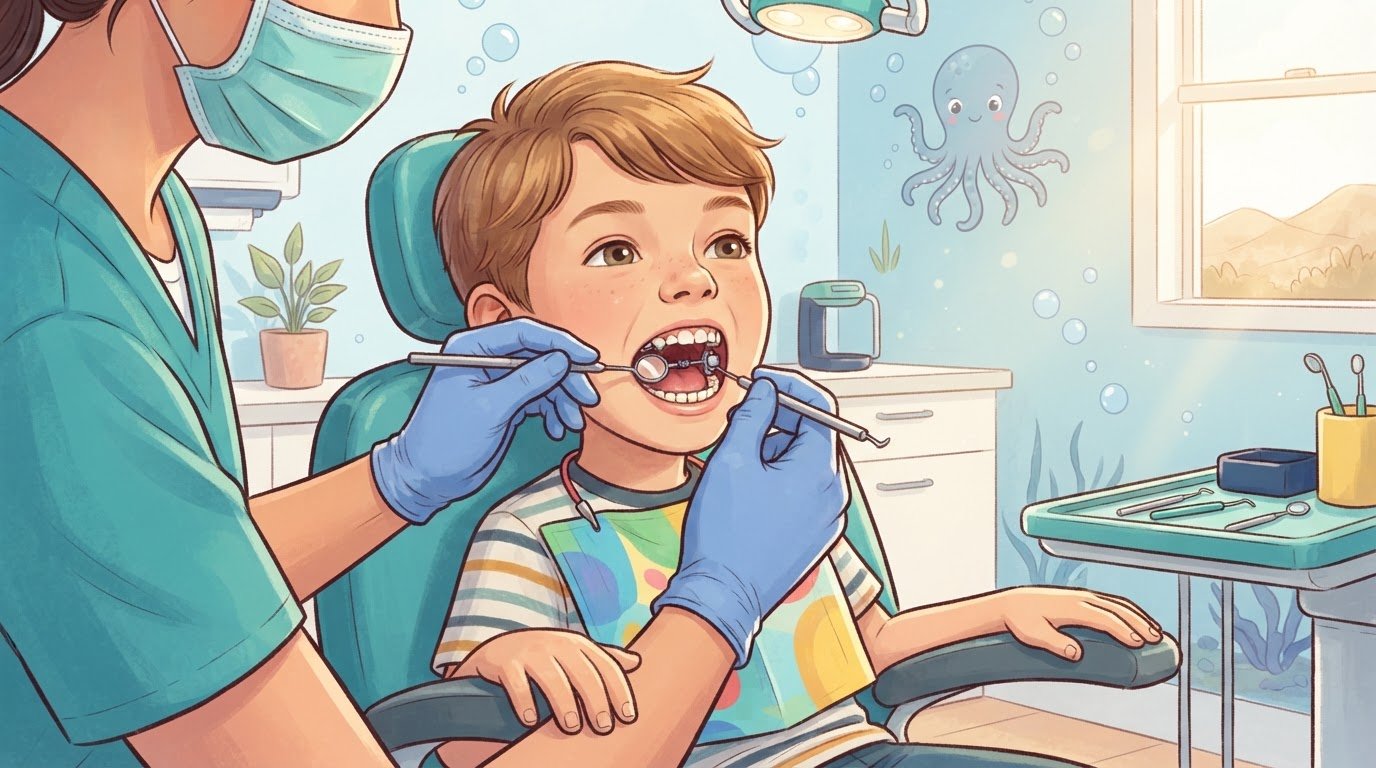
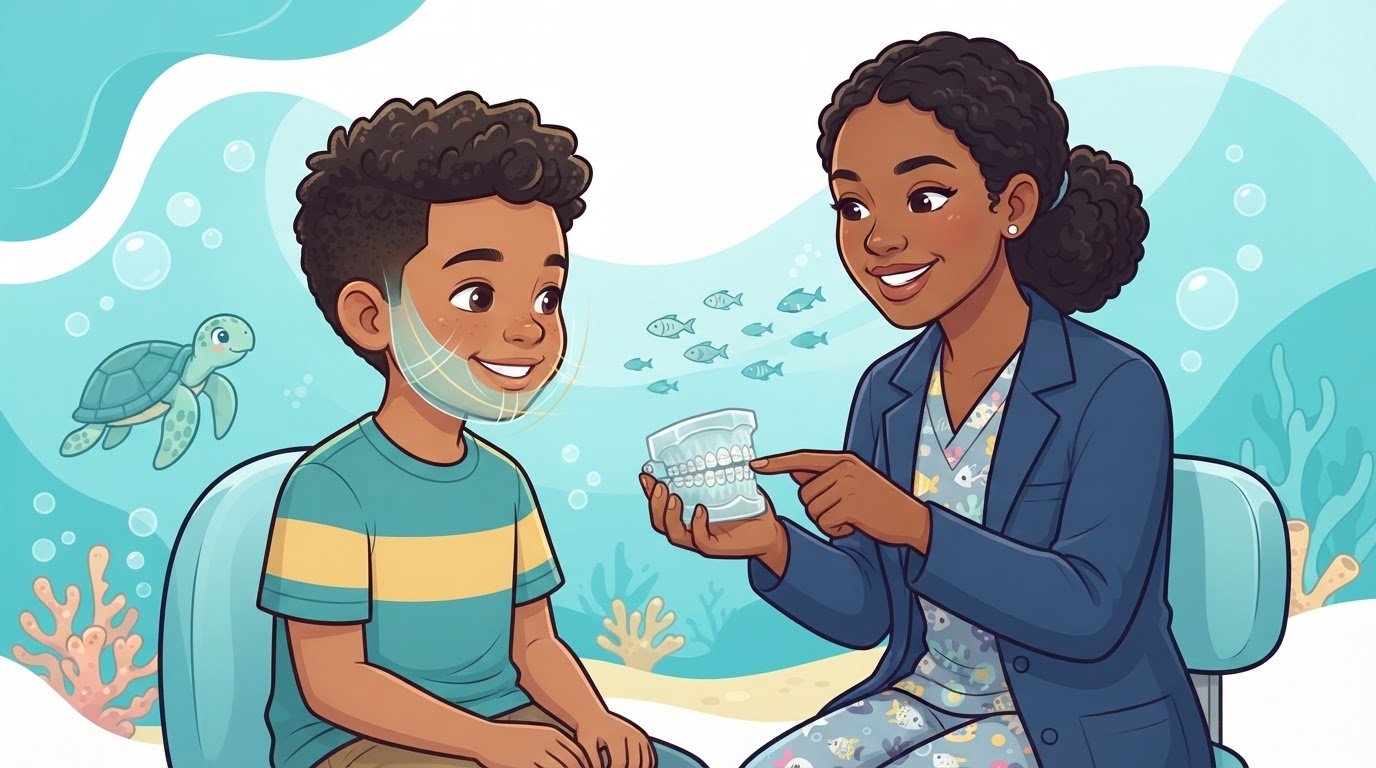
Dr. Haykani provides orthodontic evaluations and care, including traditional braces and Invisalign for Kids. The evaluation is a time to share your child’s orthodontic history, describe any concerns you’ve noticed, and learn how the teeth fit together. Recommendations depend on the child’s bite, tooth position, development, and individual clinical findings. Depending on those findings, the next step may be treatment, monitoring, or another plan.
Parents can ask what a recommendation is intended to address and how it relates to their child’s current development. If braces or Invisalign are considered, the appropriate option also depends on the orthodontic evaluation. No particular appliance or treatment stage is right for every child. An evaluation is an opportunity to understand the choices, not a promise that treatment will be prescribed.
The office is designed for children and families, with a child-friendly environment and TVs in treatment rooms. Toys, games, themed décor, and Robin the interactive robot help make the setting welcoming. The orthodontic conversation stays focused on your child’s needs, and you can bring questions, share what you’ve observed, and take time to understand the proposed plan.
Orthodontic care for Sun Valley and nearby families
Fun Valley Kids Dental Group’s physical office is in Sun Valley and serves families from nearby communities, including Pacoima, Arleta, Panorama City, North Hollywood, Burbank, Sylmar, and Glendale, as well as other areas of the San Fernando Valley. Families who want more background on local pediatric orthodontic care can also explore the practice’s guide, Kids Orthodontist in 91352.
If you’re still wondering, “will my child need phase 2 braces,” an individualized evaluation can replace guesswork with a clearer understanding of your child’s bite and development. Bring your questions, and the orthodontic team can discuss the findings and possible next steps with you.
Schedule a pediatric orthodontic appointment in Sun Valley with Fun Valley Kids Dental Group to talk through your child’s orthodontic needs in a welcoming, child-focused setting.
Take the Next Step With Confidence
You don’t have to settle the question “will my child need phase 2 braces” before speaking with an orthodontist. The next step is to get a clearer picture of your child’s needs and understand the reasoning behind any recommendation. Take time to ask questions, talk through your family’s concerns, and make sure the plan is understandable before moving forward.
It can also help to include your child in the conversation in an age-appropriate way. Let them share what they’ve noticed or ask what an orthodontic visit might involve. A calm, open discussion can make the process feel less like a big unknown and more like a manageable step you’re taking together.
For guidance tailored to your child, schedule a pediatric orthodontic appointment in Sun Valley with Fun Valley Kids Dental Group. You’ll have a chance to discuss your questions and learn about possible next steps. Every child’s path is individual, and you can explore it one step at a time.
Frequently Asked Questions
Is Phase 2 braces necessary for every child?
No. Phase 2 isn’t automatic: some children may have a reason for staged treatment, while others may be suited to one comprehensive phase. If you’re wondering, “will my child need phase 2 braces,” an orthodontic evaluation is the way to get an answer based on your child’s needs. Age or appearance alone can’t determine the plan. The orthodontist can explain the findings and whether treatment or monitoring is appropriate.
Can a child have Phase 2 without having Phase 1?
Yes. A child’s orthodontic plan doesn’t have to follow a set sequence. The orthodontist evaluates the current bite, tooth positions, dental development, and clinical needs, regardless of whether the child had early treatment. If comprehensive treatment is appropriate, the orthodontist can explain why it fits the child’s present findings. Sharing any prior orthodontic history is helpful, but the earlier stage alone doesn’t determine what happens next.
What happens if we wait before starting Phase 2?
What waiting means depends on the child’s findings and development, so the Phase 2 label alone doesn’t establish urgency. If treatment has been recommended, ask the orthodontist why the proposed timing fits your child and what they’ll consider if you wait. This helps you understand the reasoning without guessing about consequences. If your child’s bite or tooth position seems to change, bring that observation to the orthodontist for discussion.
How long does Phase 2 braces treatment take?
There isn’t one treatment duration that applies to every child. The timeline depends on the orthodontic plan and your child’s clinical needs and response as care progresses. After an evaluation, ask the orthodontist to describe the expected schedule for your child and explain what factors could affect it. That conversation can help your family plan around appointments without relying on a general estimate or assuming a particular end date.
Can Invisalign be used for Phase 2 treatment?
It may be an option for some children. Fun Valley Kids Dental Group offers Invisalign for Kids and traditional braces, but neither is right for every patient. The orthodontist considers your child’s bite, tooth position, dental development, and evaluation findings when discussing suitable treatment. Ask how the recommended approach addresses your child’s needs and what makes it appropriate. An assessment can clarify the options without assuming that a specific appliance will be chosen.
When should my child have an initial orthodontic exam?
The ideal time for an initial orthodontic exam is by age 7. An early visit gives an orthodontist a chance to evaluate your child’s developing teeth and bite and discuss whether monitoring or treatment is appropriate. An exam by that age doesn’t mean your child needs braces or Phase 2. It offers a useful starting point for understanding development and deciding whether follow-up is recommended.
Does Medi-Cal/Denti-Cal or PPO insurance cover Phase 2 braces?
Fun Valley Kids Dental Group accepts Medi-Cal/Denti-Cal and all PPO insurances, but coverage for Phase 2 braces isn’t guaranteed. Orthodontic benefits, eligibility, covered services, and your responsibility vary by plan. Verify the details with both the office and your insurance carrier before making decisions based on expected benefits. You can ask about the specific orthodontic service being considered and how your plan applies to it.
Comments