


Baby’s First Tooth Care Guide: A Whimsical Adventure in Early Oral Health

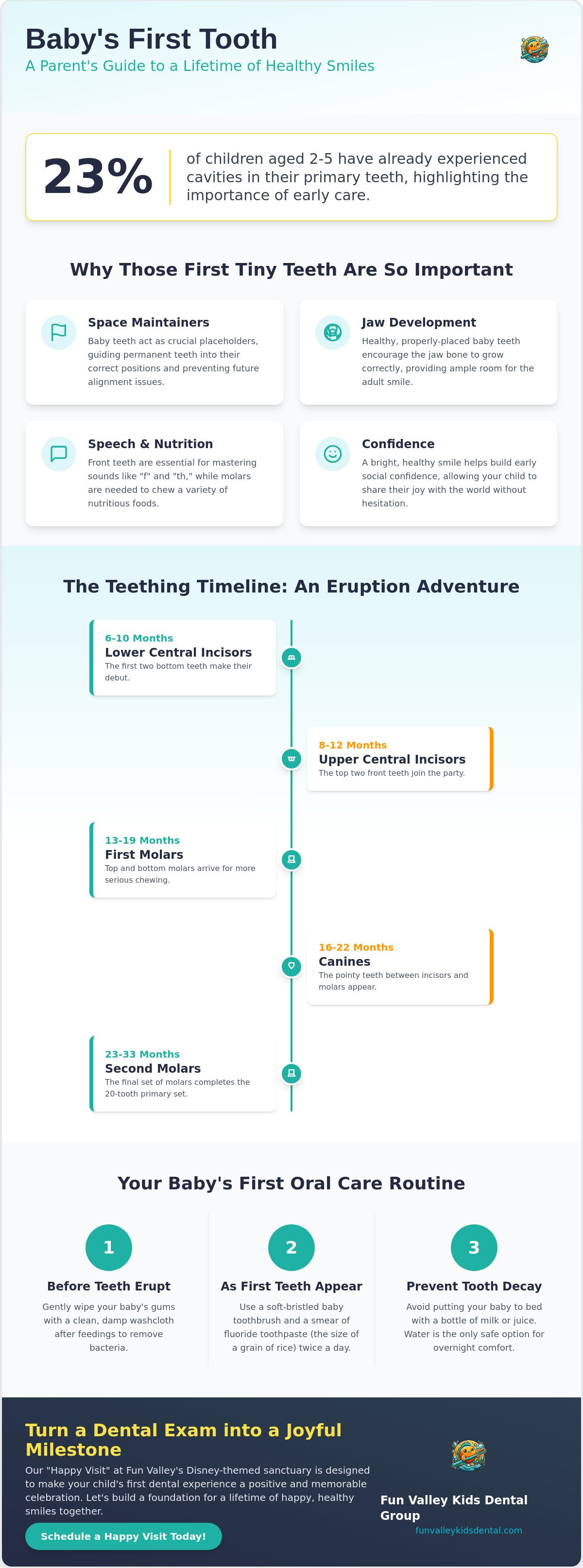
Did you know that nearly 23% of children aged two to five have already experienced dental caries in their primary teeth? While that number might feel startling, it's just a reminder of how important this baby's first tooth care guide is for your family's journey. We know the transition from gummy smiles to tiny pearly whites often comes with a mix of wonder and worry. You might be losing sleep over teething tears or feeling a bit tangled in the confusion over fluoride safety. It's completely natural to feel anxious when your little one's comfort is on the line.
We're here to help you transform those clinical chores into a whimsical adventure of discovery. You'll find everything you need to protect your little explorer's first smile, from establishing a simple daily brushing routine to finding natural ways to soothe teething discomfort. We'll also help you gain the confidence to choose a kid-friendly dentist in Sun Valley who treats every visit like a celebration. Together, we can build a bright, healthy foundation that keeps your child's spirit and smile shining for a lifetime.
Table of Contents
Understanding the Magic: Why Those First Tiny Teeth Matter
Every little tooth that peeks through your baby's gums is a tiny milestone worth celebrating. While these primary teeth are temporary, they act as the essential blueprint for your child’s permanent smile. Think of them as the brave pioneers of the mouth, paving the way for the adult teeth that will follow. This baby's first tooth care guide helps you understand that these "milk teeth" do much more than just look adorable in photos. They are working hard behind the scenes to ensure your little explorer's mouth develops exactly as it should. Keeping them healthy isn't just about the present; it's about building a foundation for a lifetime of bright smiles.
One of their most critical roles is acting as natural space maintainers. They hold the perfect spot in the jaw until the permanent tooth is ready to make its grand entrance. If a baby tooth is lost too early due to decay or injury, the surrounding teeth might drift into that empty space. This movement can lead to crowding and alignment issues later on. By keeping these first teeth healthy, we protect the developing permanent teeth tucked safely underneath. Preventing painful infections in primary teeth ensures that the adult teeth growing below aren't damaged before they even arrive.
The "Placeholder" Effect and Future Orthodontics
The health of primary teeth directly impacts the shape and strength of your child's growing jaw. When teeth stay in their rightful places, they encourage the jaw bone to grow in a way that provides plenty of room for future growth. If a tooth leaves the party too soon, we often recommend space maintainers for kids sun valley to keep that gap open and ready. This simple, proactive step can significantly simplify future orthodontic journeys by preventing complex crowding. It's a gentle way to ensure their dental path remains clear and easy to navigate as they grow.
Speech, Nutrition, and Confidence
Beyond alignment, those tiny pearls are vital for your child's daily discoveries and development. Front teeth are essential tools for toddlers as they master tricky sounds like "th," "f," and "s." Learning to speak clearly is a much more joyful experience when every tooth is in place to help. As your baby follows The Teething Timeline, they'll also gain the molars needed to chew a diverse variety of solid foods. This transition is crucial for proper nutrition during their busiest growth spurts. Finally, a bright, healthy smile builds early social confidence. It lets your little explorer share their joy with the world without any hesitation, making this baby's first tooth care guide an essential part of their happy upbringing.
The Teething Timeline: Navigating the Eruption Adventure
Every explorer needs the right tools for their journey. For your baby, those tools are their teeth. Most little ones begin their teething adventure between six and ten months of age. It's a significant milestone that marks the transition into a new world of flavors and sounds. By the time your child reaches their third birthday, they'll typically have a full set of 20 primary teeth ready for action. This baby's first tooth care guide is designed to help you recognize each stage of growth with confidence and joy. You'll likely notice the signs before you see the first pearl. Increased drooling, a desire to "gum" every toy in sight, and a bit of extra irritability are all normal parts of this process. It's just their way of telling you that something exciting is happening under the surface.
The Typical Order of Appearance
To help you track this journey, it's useful to know the usual sequence of events. The bottom front teeth, known as the lower central incisors, almost always make the first appearance between six and ten months. Shortly after, the top front teeth join the crew between eight and twelve months. Once the front row is established, the lateral incisors usually follow. The first molars often arrive between 13 and 19 months to help with more serious chewing. Canines typically peak through between 16 and 22 months, while the second molars finish the set between 23 and 33 months. Following a consistent Daily Oral Care Routine from the very start ensures these teeth stay strong as they emerge. Tracking these milestones helps you stay ahead of their health needs.
Soothing the "Teething Grumpies" Naturally
We know that seeing your baby in discomfort can be tough on the whole family. You can ease the pressure with safe, simple tools found right at home. Chilled teething rings are a classic choice. Just make sure they are cold rather than frozen, as frozen rings can be too harsh for delicate gum tissue. A clean, damp washcloth also provides a soothing texture for sore gums. Sometimes, the best medicine is a gentle gum massage using your own clean finger. This physical connection provides comfort and relief simultaneously. While some fussiness is expected, keep an eye out for high fevers or persistent distress that seems unusual. If you ever feel concerned about their progress, reaching out to a pediatric dentist in Sun Valley for a quick check up can provide the peace of mind you need. We love helping families turn these challenging moments into milestones worth celebrating.
Daily Discovery: Your Baby’s First Oral Care Routine
The journey to a healthy smile actually begins long before the first tiny pearl peeks through. Even before your little explorer has teeth, you can start building a foundation for great health. After each feeding, use a clean, damp washcloth or a soft piece of gauze to gently wipe your baby's gums. This simple step removes bacteria and gets them used to the feeling of oral care. Once that first tooth makes its grand entrance, it's time to upgrade your toolkit. Switch to a soft-bristled baby toothbrush designed for tiny mouths. This baby's first tooth care guide encourages you to treat these early moments as a shared family milestone rather than a chore.
Establishing a "twice-a-day" rhythm is key to long-term success. We recommend brushing once in the morning and once right before bedtime. Consistency helps your baby understand that this is a normal, happy part of their day. One of the best ways to foster curiosity is through modeling. Let your baby watch you brush your own teeth. They love to mimic the people they adore. Seeing you enjoy the process makes it feel like an exciting adventure. You aren't just cleaning teeth; you're teaching them how to care for themselves with joy and pride.
The "Smear" Rule for Fluoride Toothpaste
When it's time to introduce toothpaste, less is definitely more. For children under the age of three, you only need a tiny smear of fluoride toothpaste about the size of a grain of rice. This small amount is perfectly safe and highly effective at protecting those new arrivals. A professional fluoride treatment for children sun valley remains the gold standard for strengthening enamel and preventing early childhood caries. As you brush, encourage your little one to spit out the extra bubbles. We use the "spit, don’t rinse" technique because it keeps a thin, protective layer of fluoride on the teeth to work its magic throughout the day or night.
Brushing Techniques for Wriggly Explorers
We know that some babies are more active than others during their morning routine. If you have a wriggly explorer, try the "knee-to-knee" position. Sit facing another adult with your knees touching. Lay the baby across your laps with their head in your lap. This gives you a clear view and keeps them safe and secure. To keep things lighthearted, turn brushing into a two-minute game. Use rhythmic songs or whimsical stories about "sugar bugs" being chased away by a brave toothbrush. When your child reaches their third birthday, you can graduate to a pea-sized amount of toothpaste. By keeping the atmosphere energetic and steady, you ensure their dental journey is always a milestone worth celebrating.
Protecting the Kingdom: Preventing Baby Bottle Tooth Decay
Every kingdom needs a guardian. For your baby's new teeth, you are the lead protector. Early Childhood Caries (ECC) can strike as soon as those first pearls arrive, but the good news is that it's highly preventable. This baby's first tooth care guide focuses on shielding that thin enamel from unseen threats. One of the biggest risks is "pooling." This happens when a baby goes to bed with a bottle of milk or juice. The liquid sits against the teeth for hours, giving bacteria a feast. Instead, try finishing the bottle before bedtime and wiping the gums as we discussed earlier to keep the "sugar bugs" at bay.
We also need to talk about a hidden way bacteria travels. Cavity-causing germs can actually move from your mouth to theirs. It sounds surprising, but bacteria transfer is very real. Avoid sharing spoons during mealtime or cleaning a dropped pacifier with your own mouth. By keeping your own oral health in top shape and avoiding saliva sharing, you give your little explorer a cleaner start. Watch out for hidden sugars in processed "toddler foods" like fruit snacks, pouches, or crackers. These can be just as sticky and harmful as candy, clinging to soft baby enamel throughout the day.
The Science of Saliva and Sugar
When sugar enters the mouth, bacteria turn it into acid. This acid is what attacks the enamel, leading to decay. Since baby enamel is much thinner than adult enamel, it needs extra protection to stay strong. Making water the primary drink between meals is a brilliant way to rinse away food bits and keep the mouth hydrated. Learning how to prevent cavities in children starts with these simple dietary choices you make every day at home. Choosing whole fruits over juices and limiting starchy snacks can make a world of difference in their dental health.
The "First Visit by First Birthday" Rule
The American Academy of Pediatric Dentistry recommends that every child has their first dental visit by their first birthday or within six months of their first tooth. It's like a wellness check for their smile. We look for early signs of demineralization, which are tiny white spots that appear before a full cavity forms. Catching these early means we can use gentle treatments to strengthen the tooth before any distress occurs. Establishing a "Dental Home" in Sun Valley ensures your child has a consistent sanctuary for monitoring their growth. If you're ready to start this adventure, schedule your baby's first "Happy Visit" today to ensure their kingdom stays strong and bright.
A Smile Sanctuary: The Fun Valley Kids Dental Group Experience
Imagine a place where the "dentist office" feels more like a Disney-themed wonderland of discovery. At Fun Valley Kids Dental Group, we've designed every corner of our sanctuary to spark joy and curiosity in your little explorer. While this baby's first tooth care guide has given you the tools to care for those new arrivals at home, our Sun Valley team is here to partner with you for the next stage of the journey. We specialize in "Happy Visits," which are gentle introductions to oral health that prioritize emotional well-being. We believe that every child deserves to feel celebrated, and we make sure they leave our office with a bright balloon and a heart full of confidence.
Our approach is all about building a foundation of trust that lasts a lifetime. We move at your child's pace, ensuring they feel safe and secure during every interaction. By framing routine care as an exciting journey rather than a chore, we help eliminate the anxiety often associated with healthcare. Fun Valley Kids Dental Group is more than just a medical facility; we're a welcoming community hub where your family's comfort is our highest priority. From the moment you walk through our doors, you'll see that we treat every visit as a milestone worth celebrating with a patient and encouraging demeanor.
What to Expect at the First Visit
A first visit is all about comfort and connection. You'll likely start with a "lap exam," where your baby stays snuggled safely in your arms while we take a quick, gentle peek at their new teeth. It's a low-stress way to ensure everything is developing perfectly. We also provide a whimsical tour of our colorful office, letting your child see our kid-friendly equipment in a way that feels like a game. This is also a great time for us to chat. We offer expert guidance on everything from thumb-sucking and pacifiers to building healthy nutritional habits that protect their growing smile.
Advanced Care for Growing Smiles
As your child's smile continues to grow, our care evolves to meet their needs. We provide comprehensive pediatric dental exams to monitor every developmental milestone. For added protection against "sugar bugs," we might suggest dental sealants for kids sun valley, which act like a tiny, invisible shield for the teeth. We also know that adventures can sometimes lead to unexpected bumps. Our emergency dentist for children sun valley services are always ready to provide quick, gentle relief. For little ones who feel a bit extra nervous, we offer soft options like nitrous oxide to ensure their experience remains peaceful and entirely worry-free.
Ready for Your Little One's First Smile Adventure?
Every tiny tooth that arrives is a new chapter in your child's growth. By establishing a gentle brushing routine and protecting those new pearls from "sugar bugs," you're building a lifetime of healthy habits. This baby's first tooth care guide is just the beginning of a wonderful journey toward discovery and health. You don't have to navigate these milestones alone; our team is here to walk beside you as a skilled mentor and partner.
Our Disney-themed sanctuary in Sun Valley is designed to replace clinical anxiety with pure joy. With specialized pediatric experts and over 100+ 5-star parent reviews, we make sure every "Happy Visit" is a celebration worth remembering. We prioritize your child's emotional well-being so they leave with a balloon and a bright, confident smile. It's time to turn routine care into a magical memory for your family.
Book Your Child’s First Smile Adventure in Sun Valley Today! We can't wait to welcome your little explorer to our communal sanctuary and celebrate their very first milestones together.
Frequently Asked Questions
Is it normal for my baby to have bad breath during teething?
It's quite common for babies to experience a slight change in breath as those first teeth arrive. The extra drool produced during the teething journey can trap tiny bits of milk or bacteria, which might lead to a temporary scent. Keeping up with the gum wipes and brushing steps in our baby's first tooth care guide will help freshen things up. If the scent persists or seems strong, it's a good idea to visit our sanctuary for a quick check.
Can I use teething gels with benzocaine for my infant?
We recommend avoiding teething gels that contain benzocaine for your little ones. The FDA has issued safety warnings because these products can lead to a rare but serious condition that reduces oxygen in the blood. Instead, stick to the natural soothing methods like chilled teething rings or a gentle gum massage. These safe alternatives provide wonderful relief without any of the clinical risks associated with topical numbing agents for infants.
What should I do if my baby chips their first tooth?
If your little explorer chips a tooth during an adventure, please call us right away for an emergency visit. Even a small chip can have sharp edges that irritate the tongue or expose the sensitive inner parts of the tooth. We'll gently examine the area to ensure the root is safe and smooth out any rough spots. Quick action helps prevent infection and keeps your child's smile journey on the right track without any distress.
How much toothpaste should I use for a one-year-old?
For your one-year-old, you only need a tiny smear of fluoride toothpaste that is about the size of a single grain of rice. This small amount provides the perfect level of protection for their new enamel while remaining safe if they happen to swallow a bit. As they grow and learn the "spit, don't rinse" technique, we'll eventually transition to a pea-sized amount. This change usually happens once they reach their third birthday and gain more coordination.
Why are baby teeth so much whiter than adult teeth?
Baby teeth naturally have a bright, milky white appearance because their enamel is thinner and more translucent than adult teeth. Permanent teeth contain more dentin, which has a slight yellowish hue that shows through the thicker enamel. This contrast is perfectly normal and is one of the reasons primary teeth look so brilliant in photos. It's just another part of the unique magic that makes your child's early smile so special and bright during their first years.
Can breastfeeding at night cause cavities in baby teeth?
While breastfeeding is a beautiful way to bond, any liquid other than water can contribute to decay if it pools in the mouth overnight. Breast milk contains natural sugars that "sugar bugs" love to feast on if left on the teeth for long periods. To keep their smile safe, try to wipe their gums or brush their teeth after the last feeding. This simple habit ensures their kingdom stays protected while they dream of new adventures and growth.
When should I start flossing my child’s teeth?
You should begin flossing your child's teeth as soon as any two teeth grow close enough to touch. When teeth sit side-by-side, a toothbrush can't always reach the tiny spaces in between where food bits like to hide. Using a gentle flosser once a day helps prevent cavities from forming in these hidden spots. Starting this habit early turns flossing into just another fun part of their daily discovery and oral care routine as they grow older.
What if my baby refuses to let me brush their teeth?
If your little one is feeling a bit stubborn about brushing, try turning it into a whimsical game. Use a favorite stuffed animal to "demonstrate" brushing or sing a silly two-minute song to keep the energy upbeat and fluid. Sometimes, letting them "brush" your teeth first can build the confidence they need to let you help them. Consistency and a playful spirit will eventually transform this daily chore into a milestone they look forward to every single night.



Comments